February 12, 2026
Understanding the importance of septic tank maintenance and the role of a professional septic tank cleaning service.
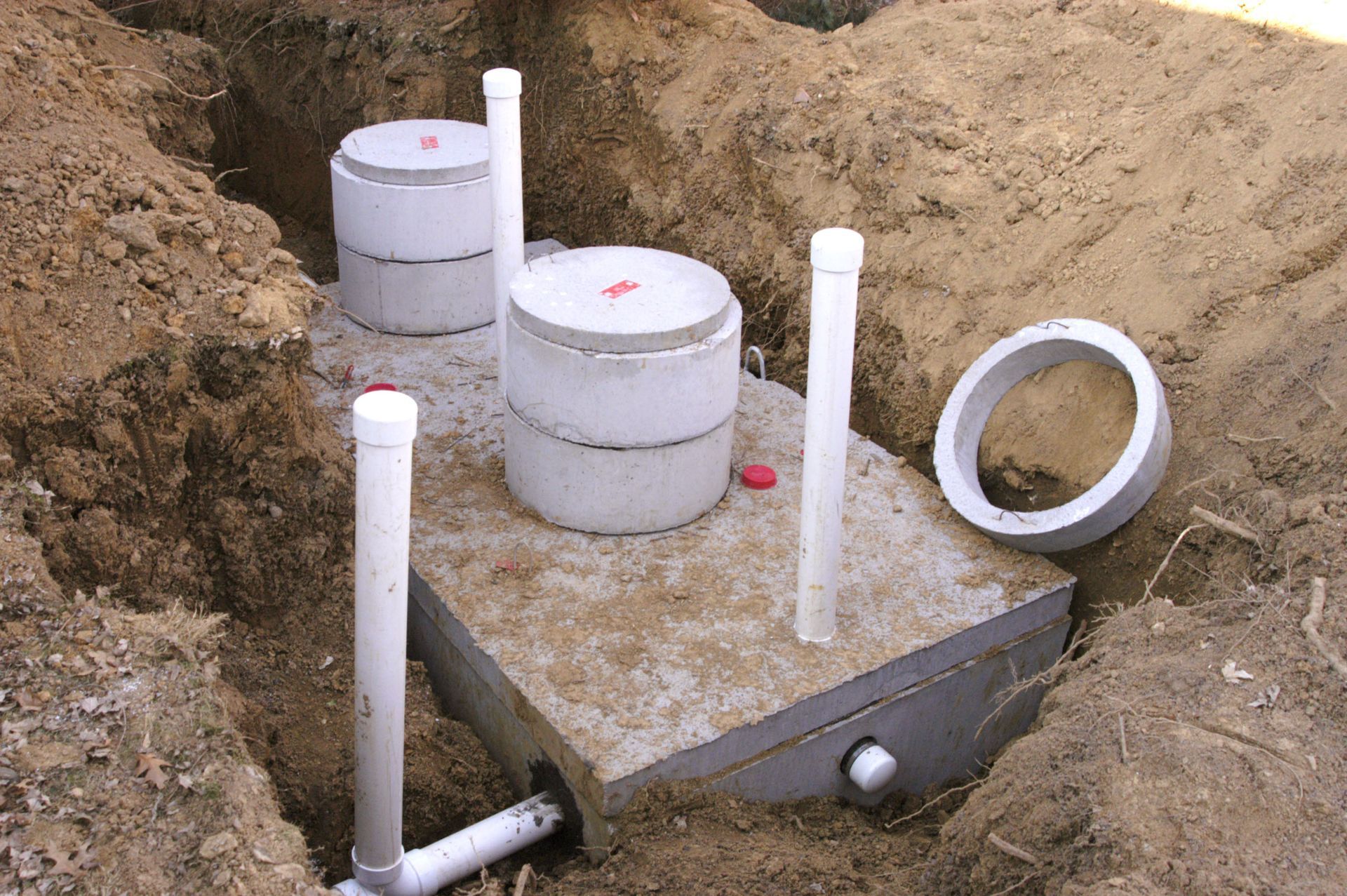
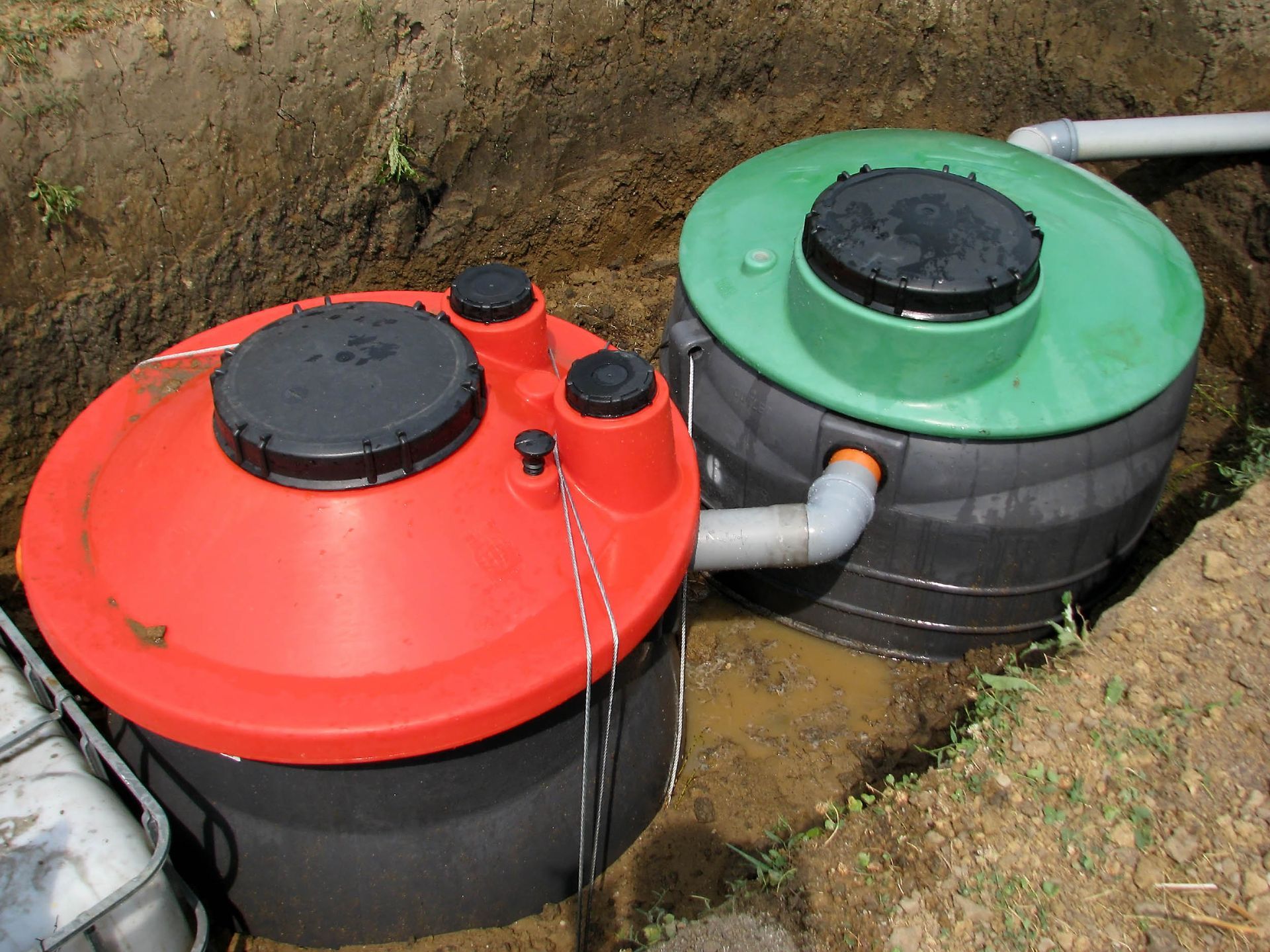
According to This Old House, an effective septic system contains several components that work in unison to process household waste. Regular maintenance is crucial to ensure the system functions optimally, thus preventing costly and environmentally damaging failures. This is where a septic tank cleaning service becomes invaluable, providing the expertise and tools necessary for thorough maintenance. Without professional intervention, the risk of system overload and failure is significantly increased.
Moreover, neglecting septic tank maintenance can lead to unexpected and often expensive repairs. For homeowners, understanding the necessity of regular cleaning goes beyond convenience; it is about ensuring the health and safety of their family and community. A neglected septic system may lead to blockages, unpleasant odors, and even environmental pollution. Therefore, professional cleaning services not only protect your investment but also contribute to public health safety.
What is a Septic Tank Cleaning Service?
Defining Septic Tank Cleaning
A septic tank cleaning service involves the complete removal of accumulated sludge and scum from the tank. This process is crucial since the tank of an effective septic system contains several components that work in unison to process household waste. Cleaning ensures that these components function efficiently without interruption. Professional cleaners assess the condition of the tank and employ suitable methods to thoroughly clean the system.
The service encompasses pumping out all solid waste that has settled at the bottom, as well as any scum that floats on top. This ensures there's adequate space in the tank to handle wastewater from your household. Regular cleaning also allows for early detection of potential issues like cracks or leaks, which can then be addressed before they evolve into more serious problems. Thus, cleaning enhances the lifespan of the entire septic setup.
It's essential to differentiate between regular pumping and comprehensive cleaning. Though often used interchangeably, the two involve different scopes of work. Cleaning goes beyond simply pumping out wastewater; it thoroughly inspects and removes any residual mass that may compromise system integrity. As such, engaging with a professional septic tank cleaning service is paramount for detailed maintenance and inspection.
Components of the Cleaning Process
The cleaning process typically involves several detailed steps to ensure the septic tank runs efficiently. Initially, a thorough inspection of the tank's condition is conducted, identifying any structural damage or excessive buildup. A septic tank cleaning service will often use specialized tools to measure the levels of sludge and scum, enabling experts to determine the necessity and extent of cleaning required. This meticulous assessment is crucial for an effective cleaning strategy.
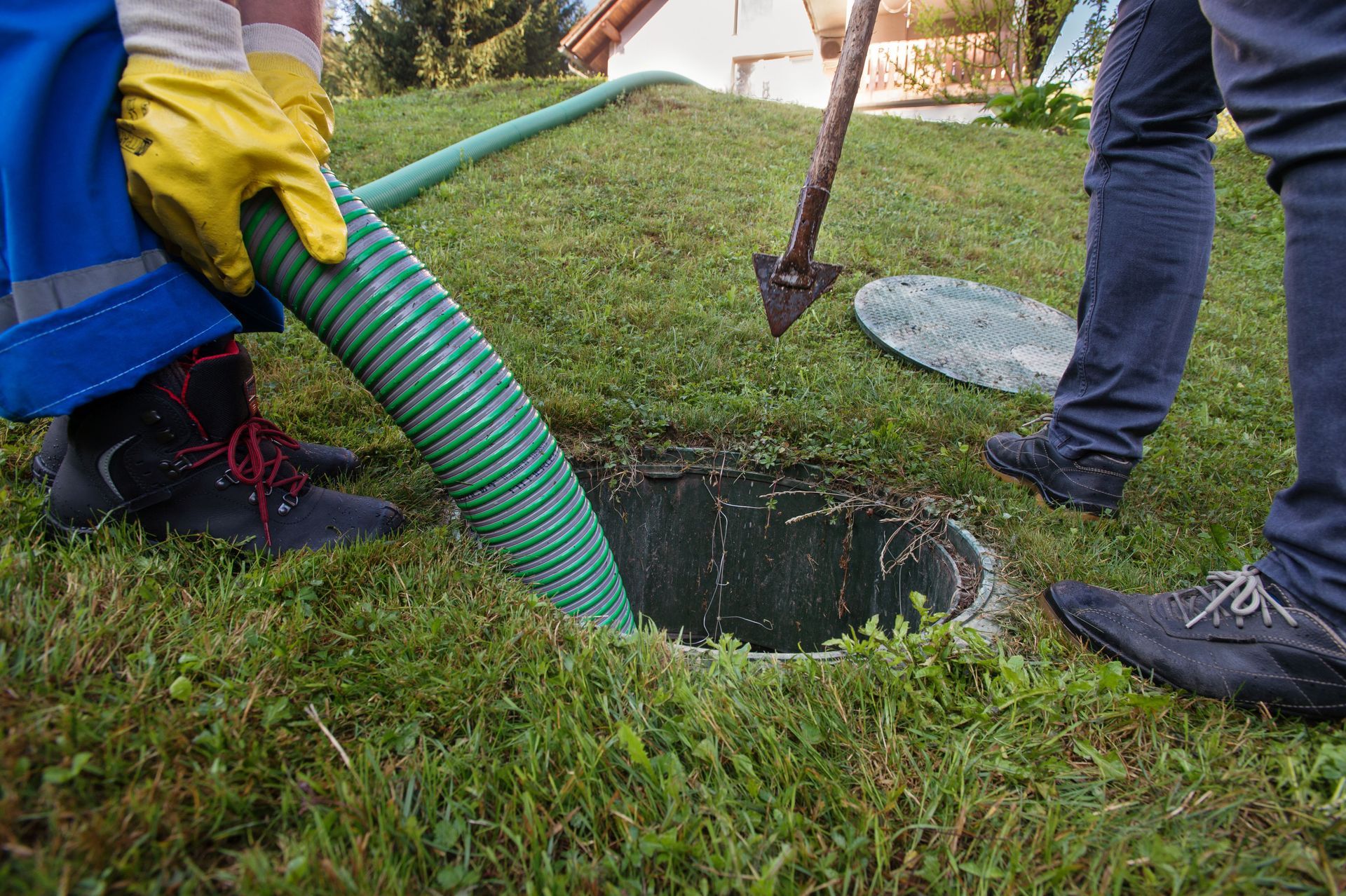
Following the inspection, pumping begins to remove all solid and liquid waste material from the tank. During this stage, technicians use pumps and hoses capable of handling large volumes of waste efficiently. The pumping phase is meticulous, ensuring that no solid waste remains which could lead to blockages or inefficiencies. This stage is essential in maintaining the septic system's overall balance and capacity.
After pumping, a final inspection takes place to identify any remaining issues that need addressing. This may include checking for leaks, assessing the condition of pipes, and examining the septic field if necessary. Ensuring all components of the tank work correctly is crucial to prevent future complications. These steps collectively ensure that the septic tank continues to function optimally, protecting both the environment and the homeowner's property.
Why is Regular Septic Tank Cleaning Necessary?
Prevention of Blockages and Overflows
Regular septic tank cleaning is proactive in preventing blockages and overflows which could result in operational malfunctions. When sludge or scum levels exceed safe limits, they obstruct the system's normal function. Ensuring regular cleaning not only removes these obstructions but also prevents them from forming in the first place. This highlights the proactive nature of professional septic tank cleaning service, essential for preventing costly repairs.
Overflow resulted from blockages could lead to serious sanitation issues within and beyond homes. Such events can lead to contamination of the surrounding environment and water sources, posing significant health risks. Through routine cleaning, the system maintains its ability to handle waste without the jeopardy of sudden breakdowns. Consistent maintenance thereby translates into reliable, hazard-free sewage management.
Moreover, maintaining regular cleaning schedules helps keep the system within optimal operating conditions. By preventing muck accumulation and blockages, waste flows uninterruptedly which enhances overall performance. A professional cleaning service can thus preempt overflow situations, mitigating the risk of environmental harm and associated legal implications. The preventative nature of cleaning underscores its value in sustainable system management.
Health and Environmental Benefits
Maintaining a clean septic system yields substantial health and environmental benefits. By ensuring waste processing is efficient, the risk of untreated effluent contaminating local soil and water supplies is significantly reduced. This prevention is crucial as contamination could adversely affect local ecosystems and public health. Cleaning, therefore, is essential in safeguarding natural resources and maintaining community health standards.
Furthermore, the untreated wastewater contains harmful pathogens and chemicals from household products. Without regular cleaning, these contaminants could seep into the environment, posing significant risk. A septic tank cleaning service meticulously manages waste population, protecting both human health and ecological systems. By mitigating pollutants, a clean septic tank contributes to preserving biodiversity and preventing sanitation crises.
Beyond immediate environmental concerns, septic tank cleaning promotes sustainable living. Without interference from blockages or leaks, household operations remain smooth, reducing potential disruptions. Effective management thus establishes a hygienic environment for home and surroundings. The environmental harmony facilitated by routine septic care exemplifies responsible homeowners' essential contribution to ecology preservation.
How Often Should Septic Tanks Be Cleaned?
Factors Influencing Cleaning Frequency
Several factors dictate the frequency of septic tank cleaning, including tank size, household occupancy, and system usage. Larger tanks generally require less frequent cleanings compared to smaller units which fill up more rapidly. Conversely, homes with higher occupancy or those utilizing heavy water consumables may need more frequent cleaning. Septic tank cleaning service professionals recognize these variables and offer personalized recommendations.
Usage type also plays a critical role; homes using garbage disposals effectively increase the workload on septic systems. This necessitates more frequent cleaning to avoid overloading the system beyond its designed capacity. Similarly, the disposal of non-biodegradable waste contributes to increased sludge formation, necessitating timely management. Thus, understanding operational habits becomes crucial in determining proper cleaning intervals.
Climatic and geological conditions may also impact septic system cleaning frequencies. Tropical climates with heavy rainfall might lead to more frequent water infiltration and septic demands. Together, these factors exemplify the importance of tailoring cleaning schedules to meet individual circumstances. Expert consultation with a septic tank cleaning service helps establish an effective maintenance plan.
Recommended Cleaning Intervals
While varied per household factors, some general guidelines can inform septic cleaning intervals. Typically, septic tanks should be cleaned every three to five years to ensure proper functioning. More frequent cleanings may be necessary for households with smaller tanks or higher usage levels. Therefore, consulting with a septic tank cleaning service helps substantiate cleaning schedules in alignment with specific operational requirements.
While general ranges are helpful, individual circumstances should dictate exact intervals. Lifestyle changes, such as increasing water usage or expanding household numbers, often necessitate cleaning adjustments. Routine professional assessments assure that cleaning services align with evolving needs. Such dynamic monitoring ensures proactive septic care to preclude any service disruptions.
Ultimately, adherence to prescribed intervals and expert recommendations ensures longevity of the septic system. By aligning cleaning schedules with residential dynamics, homeowners safeguard their systems against premature failures. Consistent and rigorous cleaning practices, based on individualized data, optimizes septic efficiency. Thus, maintaining adherence to recommended cleaning intervals is crucial for sustainable septic management.
The crucial role of routine septic tank cleaning services in maintaining a healthy and efficient system.
Septic tank cleaning services serve as vital allies in safeguarding household and environmental well-being. Comprehensive septic care, inclusive of regular cleaning, inhibits malfunctions and promotes system longevity. This proactive management minimizes repairs, prolongs system life, and sustains environmental integrity.
The insights gained from this extensive understanding of septic maintenance establish its pivotal relevance. By engaging reputable septic tank cleaning service providers, homeowners ensure system efficacy, mitigate risks, and promote ecological health. This investment embodies prudent stewardship, preserving both economic resources and environmental heritage for future generations. Reach out to John Willis Cesspool today to see how we can help you!