November 21, 2026
Understanding the necessary frequency of cesspool pumping is crucial for maintaining an effective waste management system. This article explores various factors influencing this schedule, helping homeowners and property managers make informed decisions. Cesspools are an integral part of waste management, particularly in areas not connected to municipal sewer systems. They serve as a repository for wastewater, breaking it down and gradually releasing it into the surrounding soil. Proper maintenance, including regular pumping, ensures functionality and prevents costly repairs or environmental hazards.
Cesspool Systems
Cesspool systems have been used for centuries as a means of managing household waste. Historically, they evolved from simple pits to more sophisticated underground structures designed to contain and treat wastewater. Over time, their construction has improved, allowing for better waste processing and reduced environmental impact. Understanding the development of these systems sheds light on best practices for maintenance and care. While technology has advanced, the basic principle of waste containment and gradual release remains the same.
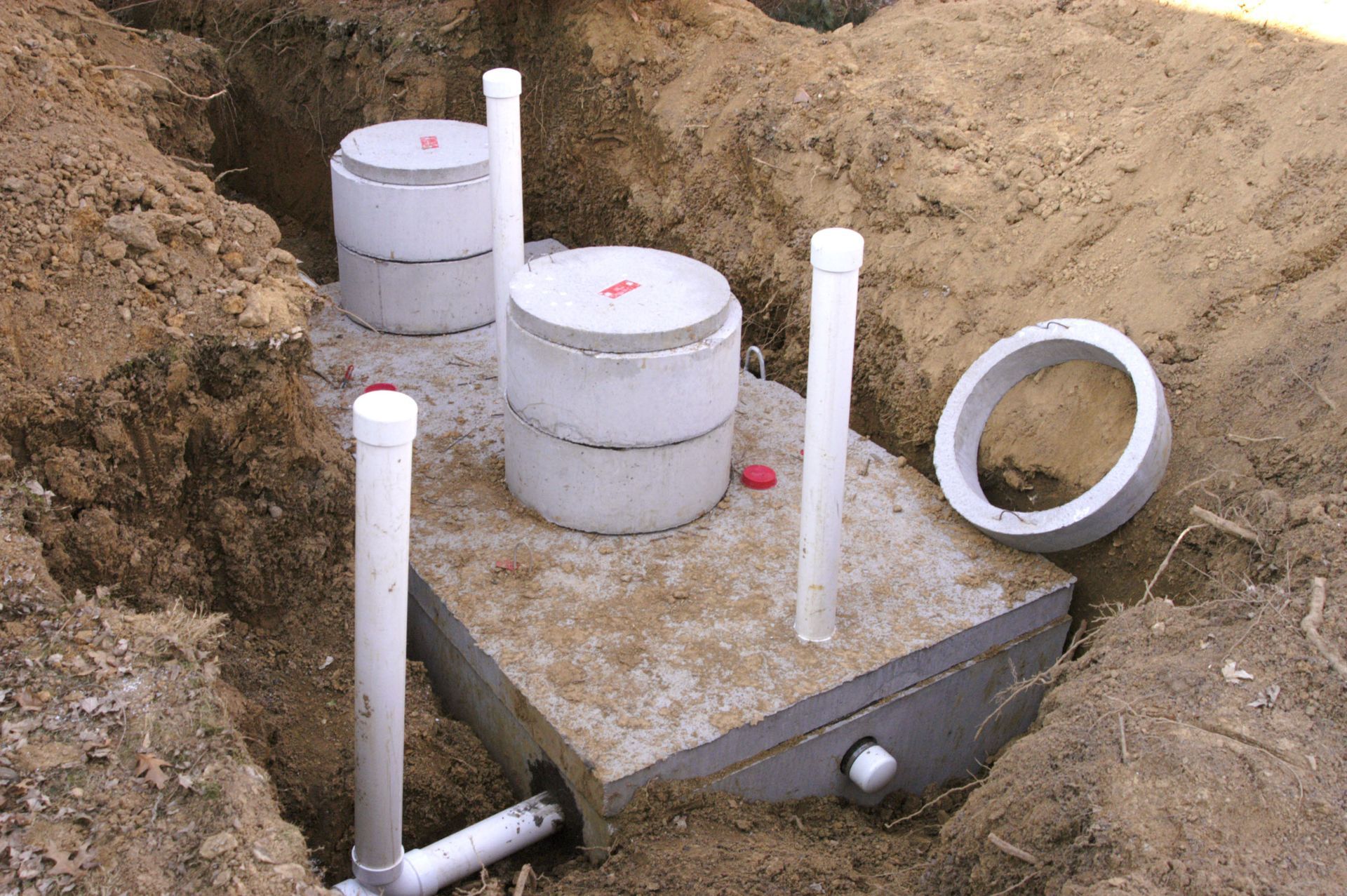
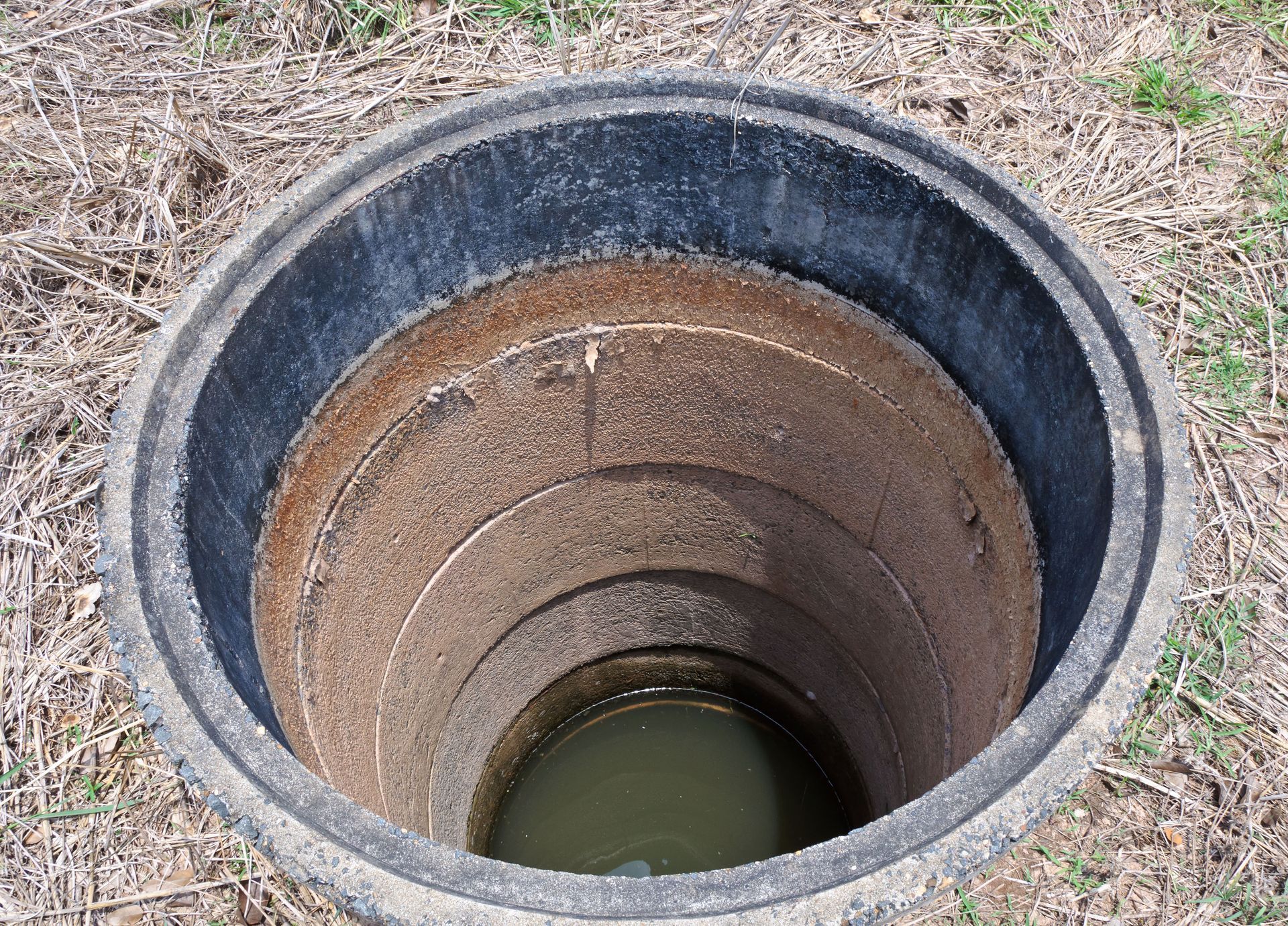
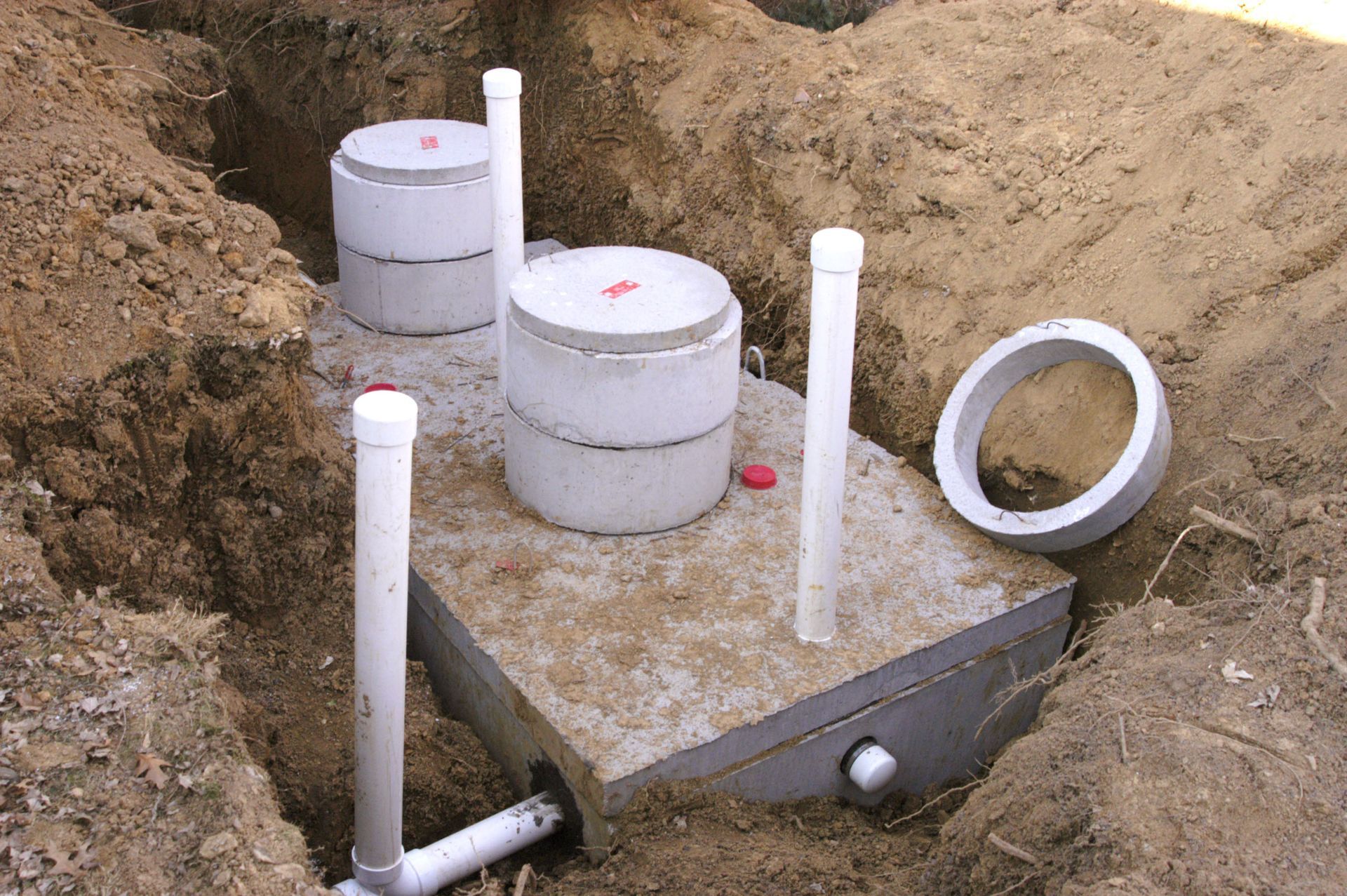
The components of a cesspool system include the storage pit, the soil interface, and any additives used to aid in waste breakdown. The storage pit is the main component and is often constructed from concrete, brick, or other durable materials to ensure longevity. The soil surrounding the cesspool plays a vital role in filtering and decomposing waste. Various additives, like bacteria-enhancing treatments, can be introduced to aid in efficient waste breakdown. Each component must be well-maintained to ensure optimum system functionality.
Cesspools differ from septic systems in several key ways. While both are designed to manage wastewater, septic systems typically contain a more complex arrangement of pipes and drainage fields for distributing treated waste. A septic system relies on a two-part process involving both a tank and a drain field for wastewater filtration. In contrast, cesspools simply hold waste in a single location. Understanding these differences helps property owners select the right system for their needs and manage it effectively.
Factors Influencing Pumping Frequency
Several factors dictate how often your cesspool will need pumping. Household size and water usage play a significant role in this determination. More occupants typically mean increased water usage, leading to faster cesspool filling. The type of waste produced also impacts the pumping schedule, with solids building up more quickly than liquids. Regular assessments can provide valuable insights into the frequency required for each specific scenario.
The capacity of your cesspool is another determinant of how often it requires maintenance. Larger cesspools can accommodate more waste before necessitating pumping. However, regardless of size, overloading can lead to system failure. Environmental and soil conditions, such as the porosity of surrounding earth and regional climatic changes, can also dictate how frequently pumping is needed. These elements must be considered when establishing a pumping routine for your property.
Local regulations and guidelines can provide authoritative recommendations for cesspool maintenance. According to the EPA, septic tanks should be pumped every 3-5 years; while cesspools may operate under a similar schedule, it's essential to tailor your approach by considering all influencing factors. Additionally, some municipalities may impose stricter guidelines to safeguard the environment. Familiarity with these regulations helps ensure compliance and optimal system functionality.
Signs Your Cesspool Needs Pumping
One of the most common indicators that your cesspool needs attention is slow-draining fixtures. If sinks, showers, or toilets are draining more slowly than usual, it might suggest that the cesspool is nearing capacity. Backups also signal potential overflow problems, which require immediate action to prevent systemic issues. Regular inspections can help detect these early warning signs, allowing for timely intervention. Ignoring them can lead to inconvenient and costly repairs.
Odor problems often indicate that your cesspool needs to be pumped. The smell of sewage permeating the air around your property points to waste buildup and potential overflow. These unpleasant odors can not only impact daily life but also signal to neighbors that something is amiss. Quick action is necessary to detect and deal with the problem. Regular maintenance reduces the risk of such occurrences and keeps your environment pleasant.
Unusual lawn changes can also indicate cesspool issues, such as patches of unusually lush grass. This abnormal growth could be attributed to a leaking cesspool enriching the soil with excess nutrients. Standing water or flooding near the cesspool area poses another clear warning of overflow. Furthermore, frequent plumbing issues, such as gurgling sounds in pipes, suggest that the system requires evaluation.
Recommended Maintenance Schedule
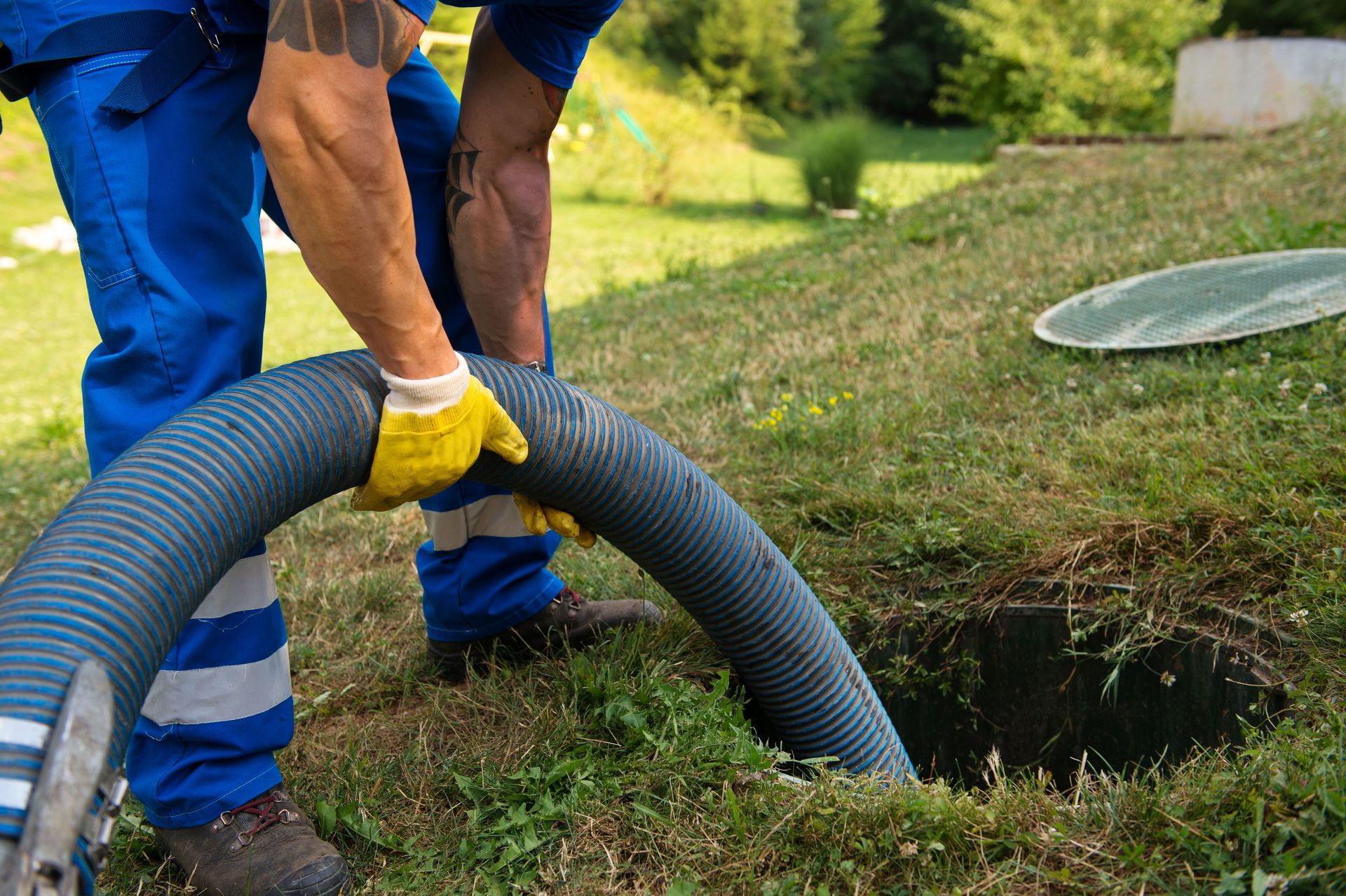
Standard recommendations advise that cesspools be pumped every three to five years, according to the EPA. This schedule can vary based on unique property conditions, including size, usage, and environmental factors. Adhering to this routine helps maintain optimal system performance. Seasonal considerations, such as increased water usage during certain times of the year, may necessitate adjustments to this schedule. Consistent monitoring allows homeowners to adapt schedules as necessary.
Strategies for monitoring system health include regular inspections and professional assessments. Homeowners can conduct visual checks while ensuring proper system usage, such as avoiding the disposal of non-degradable waste materials. Professional assessments offer a more thorough evaluation, with experts employing specific tools to detect issues early. Partnering with a reliable service provider further ensures that necessary preventive measures are taken promptly. Utilizing both homeowner vigilance and professional input leads to effective maintenance.
Cost Considerations
The cost of pumping a cesspool can vary based on several factors, including location, size of the cesspool, and local service provider fees. On average, cesspool pumping can range anywhere from $250 to $500 per service. While this may seem like a substantial outlay, it is essential to remember that proactive maintenance can prevent more costly repairs down the line. Investing in regular pumping avoids severe complications that can escalate costs significantly. Considering these expenses within a larger financial plan offers more clarity and cost-efficiency.
Regular maintenance can offer cost savings over time, as it prevents system failures that require expensive repairs. A well-maintained cesspool operates efficiently, reducing risks of failure or overflow. In contrast, neglecting maintenance can lead to the need for a complete system overhaul, costing thousands of dollars. Budgeting for regular service helps mitigate these potential risks and ensures sustained system functionality. Taking these steps proves beneficial both for the pocketbook and peace of mind.
Cesspool Pumping Service
When selecting a cesspool pumping service, certain criteria can help ensure high-quality service. Look for providers with a solid track record of experience and industry knowledge. They should offer transparent pricing, eliminating surprise fees and ensuring expectations are met. Availability is also crucial; a provider who can respond promptly to emergency situations affords additional peace of mind. Finally, focus on those who employ eco-friendly practices, promoting sustainable waste management.
The importance of licensing and certification cannot be overlooked when selecting a service provider. State and local governments often require certain regulatory compliance, and proper documentation indicates that providers adhere to these standards.
Regular cesspool pumping is an essential aspect of proper waste management. By understanding the influencing factors and identifying signs of needed service, property owners can maintain their systems efficiently. Awareness of these considerations helps ensure the longevity and effectiveness of cesspool systems. Proactive maintenance, adhering to recommended schedules, and seeking reliable service providers can prevent costly repairs. Ultimately, diligent care allows septic and cesspool systems to operate effectively, supporting environmental and public health. For cesspool pumping, call John Willis Cesspool today.