November 20, 2026
Choosing the right septic tank is an important decision for any property owner who relies on an onsite wastewater system. The right setup helps manage household wastewater, protect the surrounding environment, and reduce the likelihood of expensive repairs. However, selecting a suitable tank involves more than comparing prices or choosing a material that looks durable. Factors such as household size, soil conditions, local regulations, installation requirements, and long-term maintenance all influence which system will work best for your property. Understanding these considerations before making a purchase can help you avoid unnecessary expenses and make a more informed decision.
Understanding the Basics Before Choosing
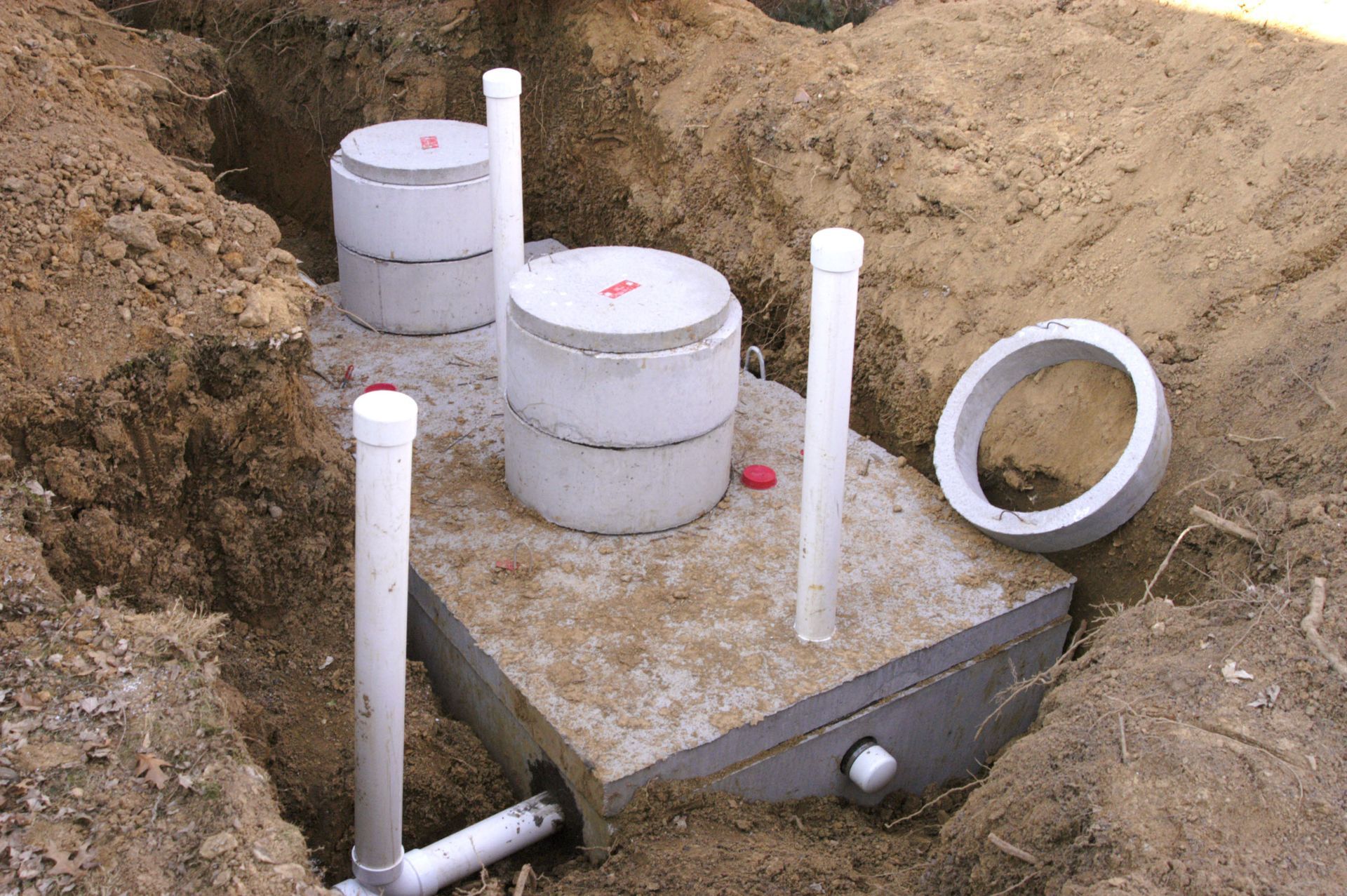
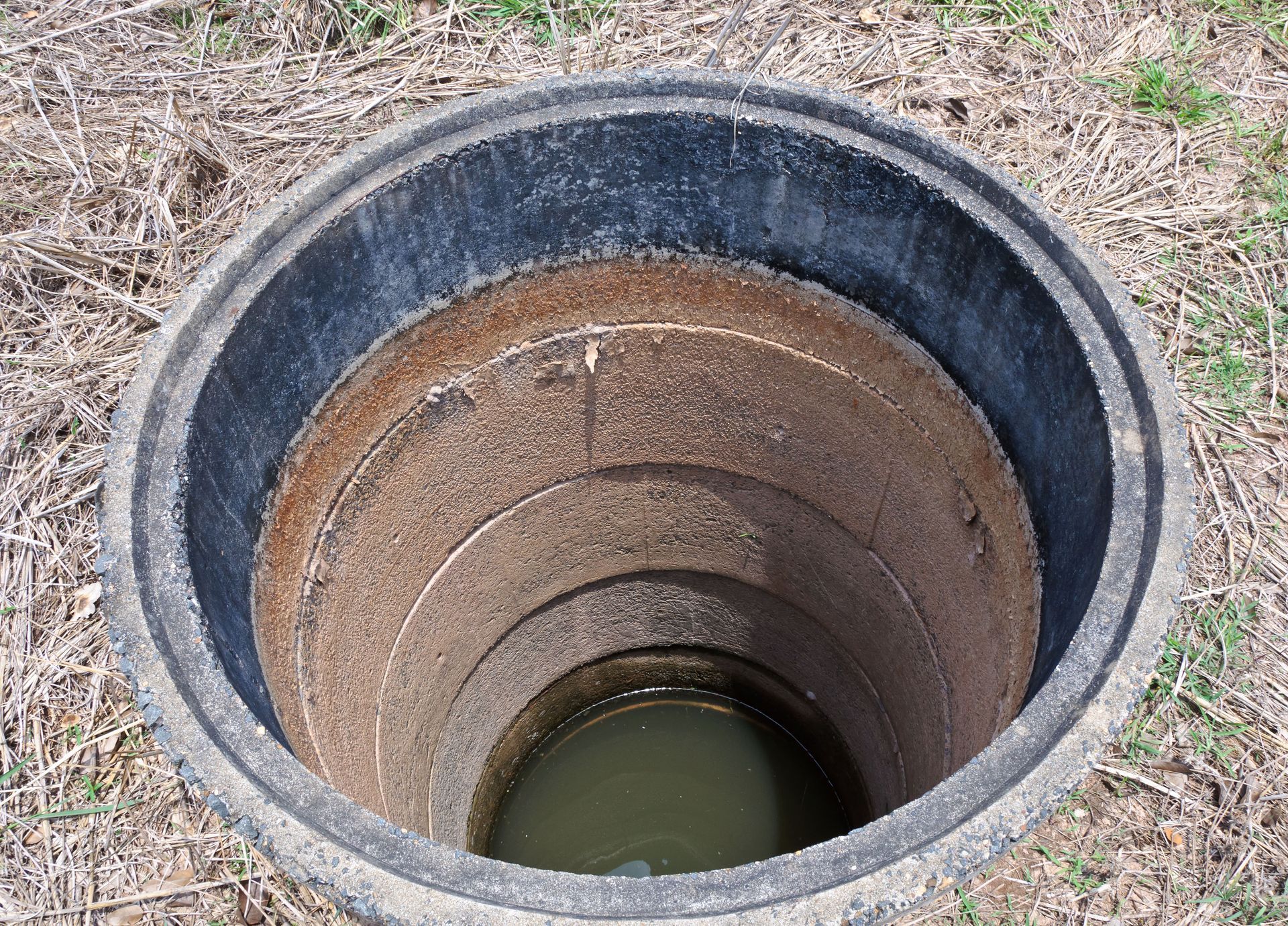
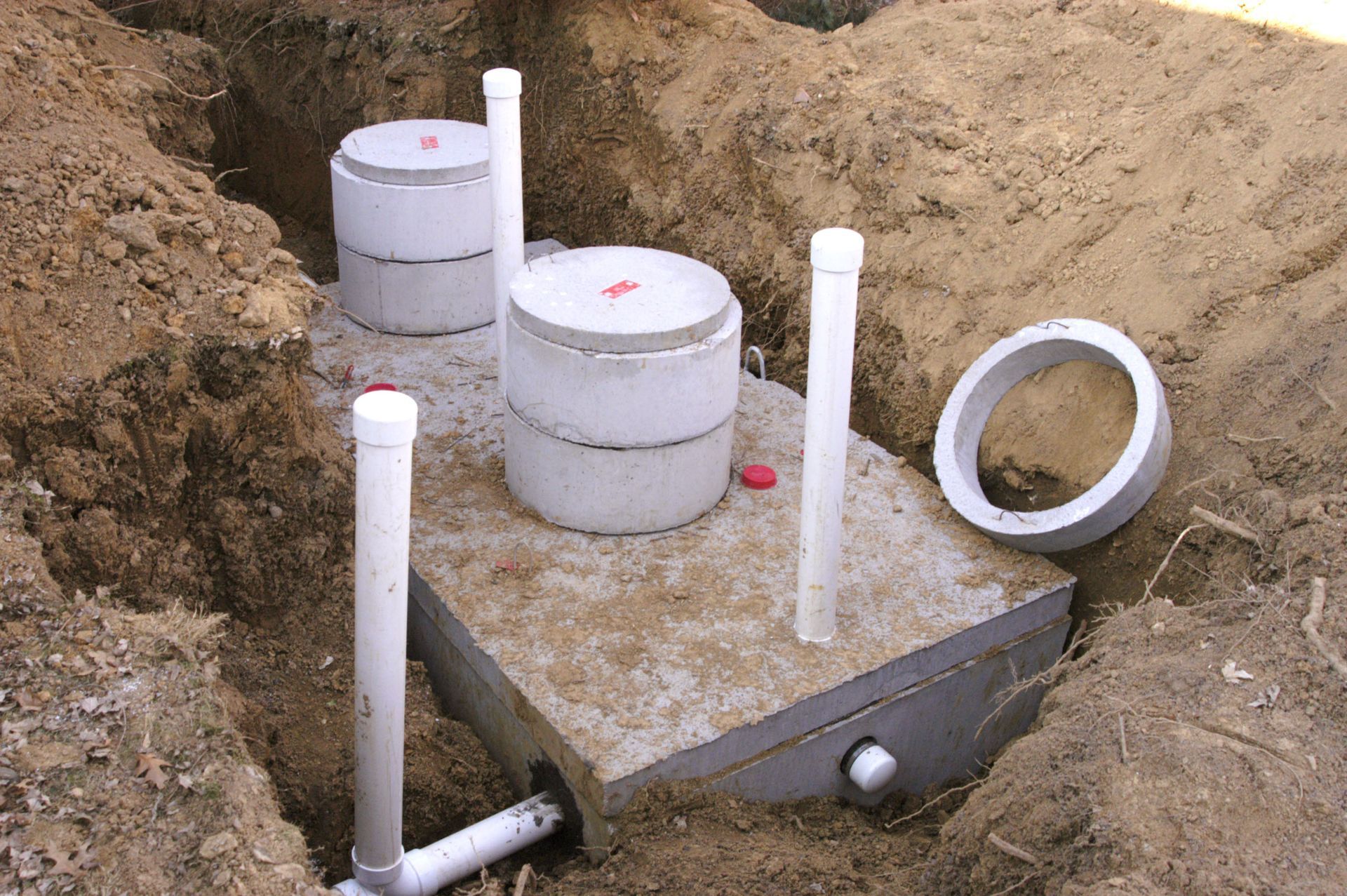
A septic tank is an underground container that collects wastewater from toilets, sinks, showers, and other household plumbing fixtures. Inside the tank, solids settle to the bottom as sludge, while oils and grease rise to the surface, forming a layer called scum. The partially treated wastewater then flows into a drain field, where the surrounding soil provides additional treatment. Concrete, plastic, and fiberglass are common tank materials, each offering different benefits depending on the property and installation conditions. Before arranging septic tank service, familiarize yourself with how the complete system operates, including its inlet and outlet pipes, internal baffles, and drainage field. Understanding these components makes it easier to recognize the importance of proper installation, routine inspections, and timely pumping. It also helps you ask informed questions when discussing your options with a qualified professional.
Assessing Your Household Needs Before Sizing
The number of people living in your home is one of the most important considerations when determining the appropriate septic tank capacity. A household with several occupants generally produces more wastewater than a smaller household, especially when multiple bathrooms, laundry appliances, and frequently used plumbing fixtures are involved. According to This Old House, a two- to three-bedroom house typically needs a septic tank with at least 1,000-gallon capacity. This provides a useful starting point, but it should not replace a professional assessment of your property's specific requirements. Your daily water consumption, expected occupancy changes, and local sizing regulations may influence the final recommendation. When arranging septic tank service, explain how many people use the property and whether you anticipate future additions, such as another bedroom or bathroom. Planning for realistic wastewater demand helps prevent an undersized system from becoming a recurring source of inconvenience and expense.
Comparing Tank Materials Before Purchasing
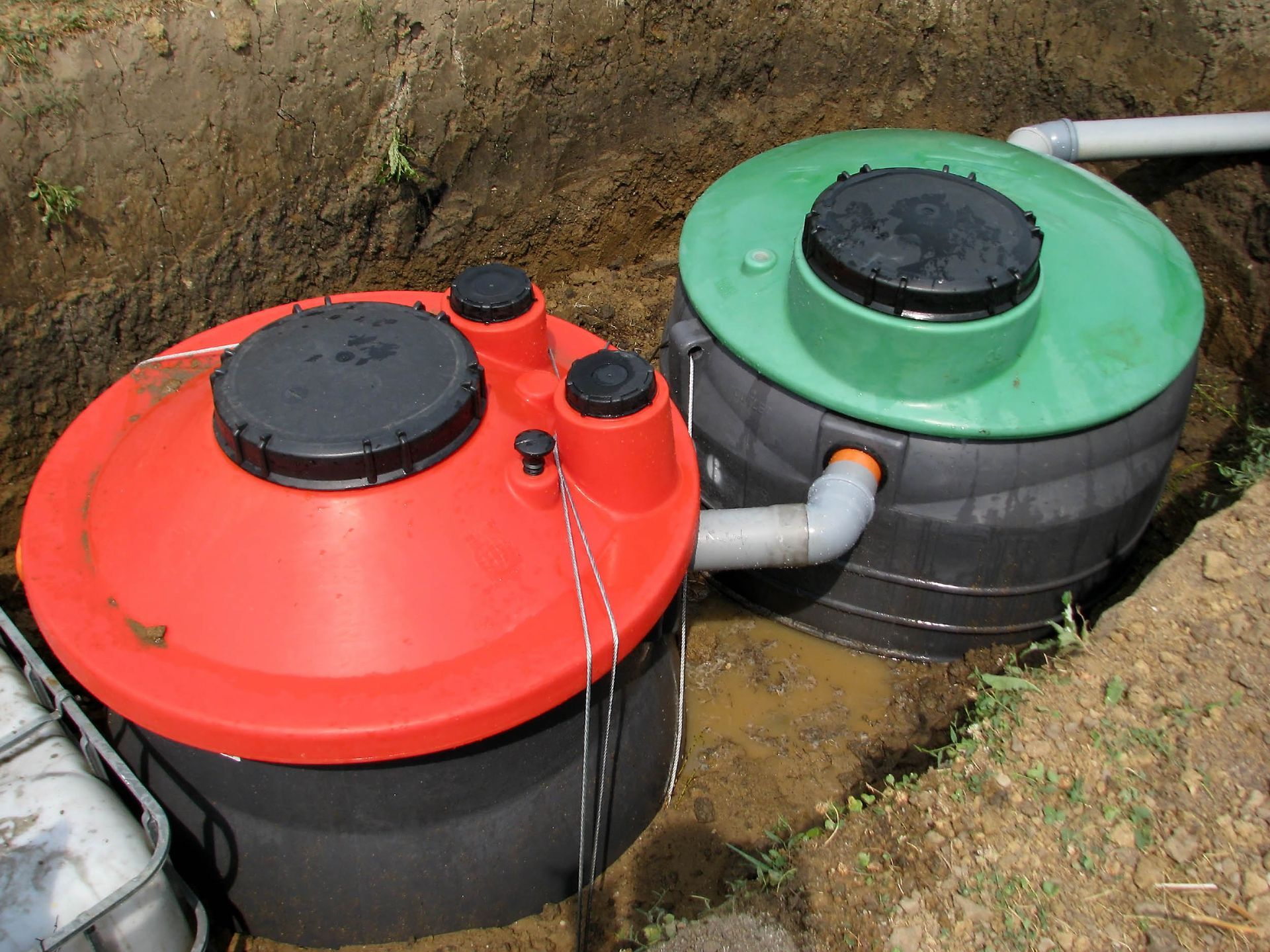
Septic tanks are commonly manufactured from concrete, plastic, or fiberglass, and each material has characteristics worth considering. Concrete tanks are heavy and durable, making them a popular choice for properties where a sturdy, long-lasting structure is appropriate. However, they require specialized equipment for installation and can develop cracks or deterioration if their condition is not properly maintained. Plastic tanks are lightweight, resistant to rust, and often easier to transport, although suitable installation and protection against shifting or flotation are essential. Fiberglass tanks also offer corrosion resistance and relatively straightforward installation, but their suitability depends on site conditions and manufacturer specifications. Older steel tanks are generally less appealing because corrosion can shorten their useful life. Before committing to septic tank service, discuss the advantages and limitations of each material with an installer who understands your soil conditions, access restrictions, and expected wastewater volume. The best choice is the one that meets your property's needs rather than simply the one with the lowest purchase price.
Evaluating Soil Conditions Before Installing
Even a properly sized tank may not perform as expected if the surrounding soil and groundwater conditions are unsuitable. A septic system typically depends on a drain field to distribute and further treat wastewater, so the ground must support the system's intended operation. Soil composition, drainage characteristics, groundwater levels, property slope, and available installation space can all affect the design. For example, poorly draining soil may require a different approach from soil that allows water to move through too quickly. A high water table can also create additional challenges involving groundwater protection and system placement. Before scheduling septic tank service, arrange any required soil testing and site evaluations through qualified professionals or the appropriate local authority. These assessments help identify potential problems before excavation begins and can prevent costly changes later. They also provide useful information for determining whether a conventional system is suitable or whether an alternative design needs to be considered.
Reviewing Regulations Before Selecting
Local regulations play a major role in determining which septic system you can install on your property. Depending on your location, requirements may address minimum tank capacity, setback distances, approved materials, drainage field placement, permits, and inspection procedures. These rules are intended to protect public health, nearby water supplies, and the surrounding environment. Requirements can vary between jurisdictions, so advice from a property owner in another area may not apply to your situation. Contact your local health department or relevant permitting authority to understand the rules before purchasing equipment or beginning construction. A qualified installer can also help identify applicable requirements and coordinate necessary assessments. When discussing septic tank service, confirm who is responsible for obtaining permits, arranging inspections, and verifying that the completed system meets local standards. Addressing compliance early helps avoid installation delays, unexpected expenses, and the possibility of having to modify a system after the work is finished.
Budgeting For Installation and Maintenance
The purchase price of a septic tank represents only part of the total cost of installing and operating a wastewater system. Your budget may also need to cover excavation, transportation, labor, soil testing, permits, plumbing connections, drainage field construction, and final inspections. Difficult site access or challenging ground conditions can increase installation expenses, while different tank materials may affect both upfront costs and long-term maintenance needs. It is equally important to plan for routine pumping, periodic inspections, and occasional repairs throughout the system's lifespan. When comparing estimates for septic tank service, ask contractors to explain what each quote includes and whether additional site work could affect the final price. Request written estimates and clarify any exclusions before signing an agreement. Although a cheaper option may appear attractive initially, installation quality, suitability, and ongoing costs deserve equal attention. Setting aside money for maintenance and unexpected repairs can make septic system ownership more manageable and help you avoid postponing necessary work because of an unplanned expense.
Maintaining Your System After Installation
Once your septic tank is installed, consistent maintenance helps protect its performance and reduces the risk of preventable problems. The appropriate pumping schedule depends on factors such as tank size, household occupancy, wastewater volume, and the amount of solids accumulating inside the tank. Regular professional inspections can identify developing concerns before they lead to sewage backups, leaks, or damage to the drain field. You can also support the system by fixing leaking plumbing fixtures, spreading laundry loads throughout the week, and avoiding the disposal of grease, wipes, and other unsuitable materials through household drains. Keep vehicles and heavy equipment away from the drain field unless the system's design specifically permits such loads. Watch for warning signs such as persistent sewage odors, unusually slow drains, or standing water near the tank and drainage area. If these symptoms appear, arrange septic tank service promptly rather than attempting to resolve an unfamiliar problem yourself. Keeping maintenance records and following professional recommendations will help you understand your system's condition and plan for future needs.
Choosing the right septic tank means considering your household’s needs, soil conditions, regulations, installation costs, and maintenance requirements. Evaluating these factors helps you select a suitable system and avoid unnecessary expenses. For help choosing and maintaining the right system, contact John Willis Cesspool.