July 7, 2026
Understanding septic tank systems is crucial for homeowners considering installation. This article will guide you through the key details you need to know before making this important decision. A septic tank installation is more than just a plumbing consideration; it involves understanding the mechanics of waste management in a domestic setting. By exploring the ins and outs of septic systems, homeowners can ensure their property is equipped with an efficient and effective solution tailored to their needs.
What is a Septic Tank and How Does It Work?
Definition and Function
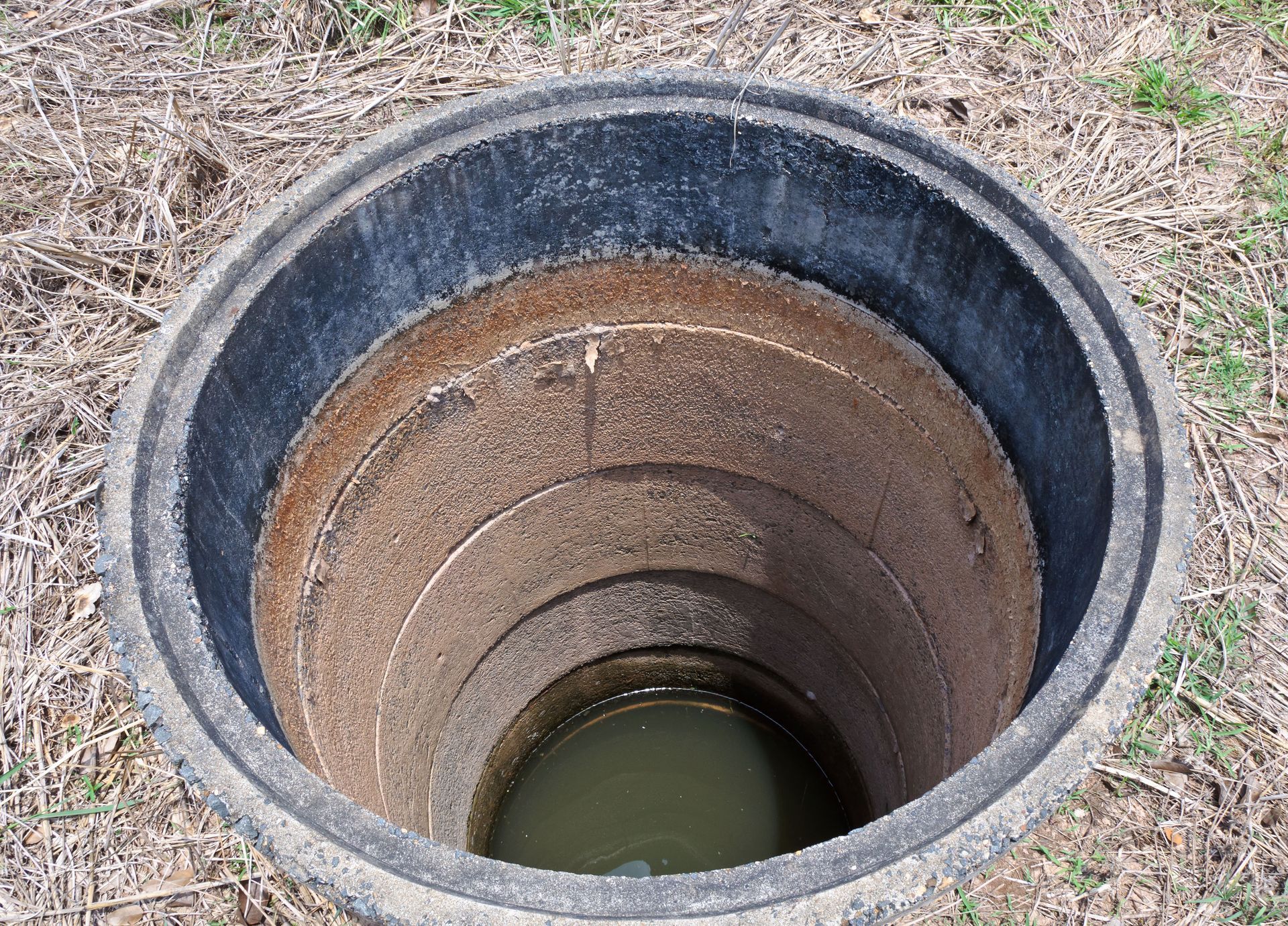
A septic tank forms an essential component of decentralized wastewater treatment systems. Functioning as an underground chamber, it facilitates the accumulation and gradual disintegration of sewage. Bacteria within the tank decomposes organic matter, segregating solids and liquids, thereby forming a manageable mechanism for waste disposal. Its functionality ensures households can independently manage their sanitary requirements without relying on municipal systems.
The autonomous nature of septic tanks offers numerous advantages, particularly for homes situated in remote areas far from centralized sewage systems. By having their treatment system, homeowners ensure a direct and immediate solution to waste processing, thereby maintaining higher control over their living conditions. Modern septic systems incorporate innovations ensuring high durability and reduced maintenance needs, often resulting in prolonged lifespan and efficiency. Understanding the core function of a septic system, therefore, becomes foundational knowledge for any prospective homeowner.
Importantly, the construction and composition of a septic tank must adhere to specific technical standards, which ensure its effective operation over the years. According to Housegrail, the typical lifespan of a septic system is at least 25 years. During this duration, it's anticipated to accommodate fluctuating usage without compromising wastewater management efficiency. Therefore, the functional knowledge attributed to septic tanks extends beyond immediate utility, encompassing long-term operational sustainability as well.
Components of a Septic System
A typical septic system consists of a tank, a drainfield, and the soil surrounding it, each playing vital roles in its overall operation. The septic tank works as the primary holding area for wastewater, initially collected from the household. Solids settle at the bottom, forming sludge, while fats rise to form a scum layer on the top. The remaining liquid, or effluent, exits to undergo further treatment in the drainfield, which serves as the secondary stage of cleansing.
The drainfield, sometimes referred to as the leach field, performs the crucial task of absorbing and further filtering the wastewater before it safely returns to the environment. This segment of the system is equally important, as it must efficiently distribute and process the effluent to prevent saturation and surface pooling. Percolation occurs as the wastewater seeps through the soil, an essential natural treatment process that purifies the effluent before it joins groundwater reserves. Thus, maintaining a well-balanced drainfield operation is integral to household sanitation.
Surrounding soil not only supports physical stability but also plays a crucial role in the biochemical processes involved in waste breakdown. The soil absorbs and further treats the wastewater, relying heavily on the earth's natural decomposers for final effluent purification. Different soil compositions can affect the rate and efficiency of this natural filtration, making site suitability assessments crucial before installation. This collaboration between the tank, drainfield, and soil ensures system efficacy and environmental protection.
How to Choose the Right Septic Tank for Your Home?
Determining Your Household's Needs
Choosing the appropriate septic system begins with a thorough evaluation of household needs. The primary factor to consider is household size, as this directly correlates with wastewater production and peak flow. Considering the number of bedrooms rather than the number of bathrooms provides a more realistic gauge of potential system demand. This anticipatory foresight ensures that the septic system can handle daily usage without overloading.
Household usage also encompasses sewage volume determined by the number of residents and their water consumption habits. Families with heavy water usage should opt for a larger tank capable of accommodating increased sewage without frequent maintenance interruptions. Additionally, understanding lifestyle nuances such as periods of increased usage or long-term visitors helps in selecting an appropriately sized system. Balancing system capacity with real-world usage protects against potential blockages and service interruptions.
Types of Septic Tanks
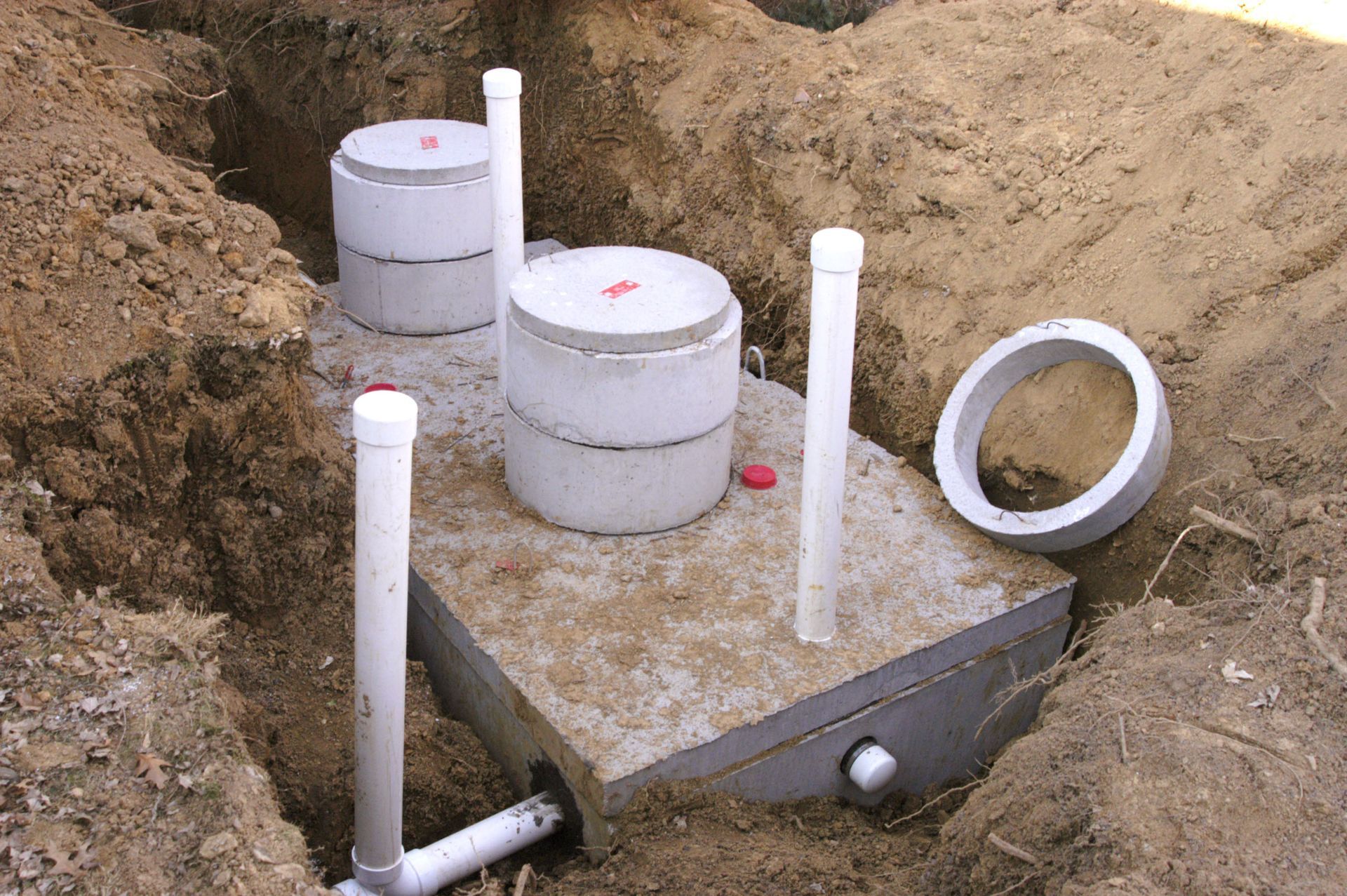
Septic tanks come in various types, each constructed from different materials offering unique advantages. Common options include concrete, fiberglass, and polyethylene, each offering distinct benefits based on budget and installation environment. Concrete tanks, often favored for their durability, are chosen for heavy-duty installations thanks to their robust nature and increased resistance to external pressure. However, they can be more cumbersome to install due to weight and accessibility challenges.
Fiberglass tanks, known for their lightweight yet durable construction, provide an appealing alternative to concrete. They resist corrosion and stress, which can be beneficial in areas with persistent moisture or aggressive soil conditions. Unlike their concrete counterparts, fiberglass tanks require simpler installation due to their lighter weight, allowing for easier handling and positioning. This ease of installation can often translate to lower labor costs and quicker setup times.
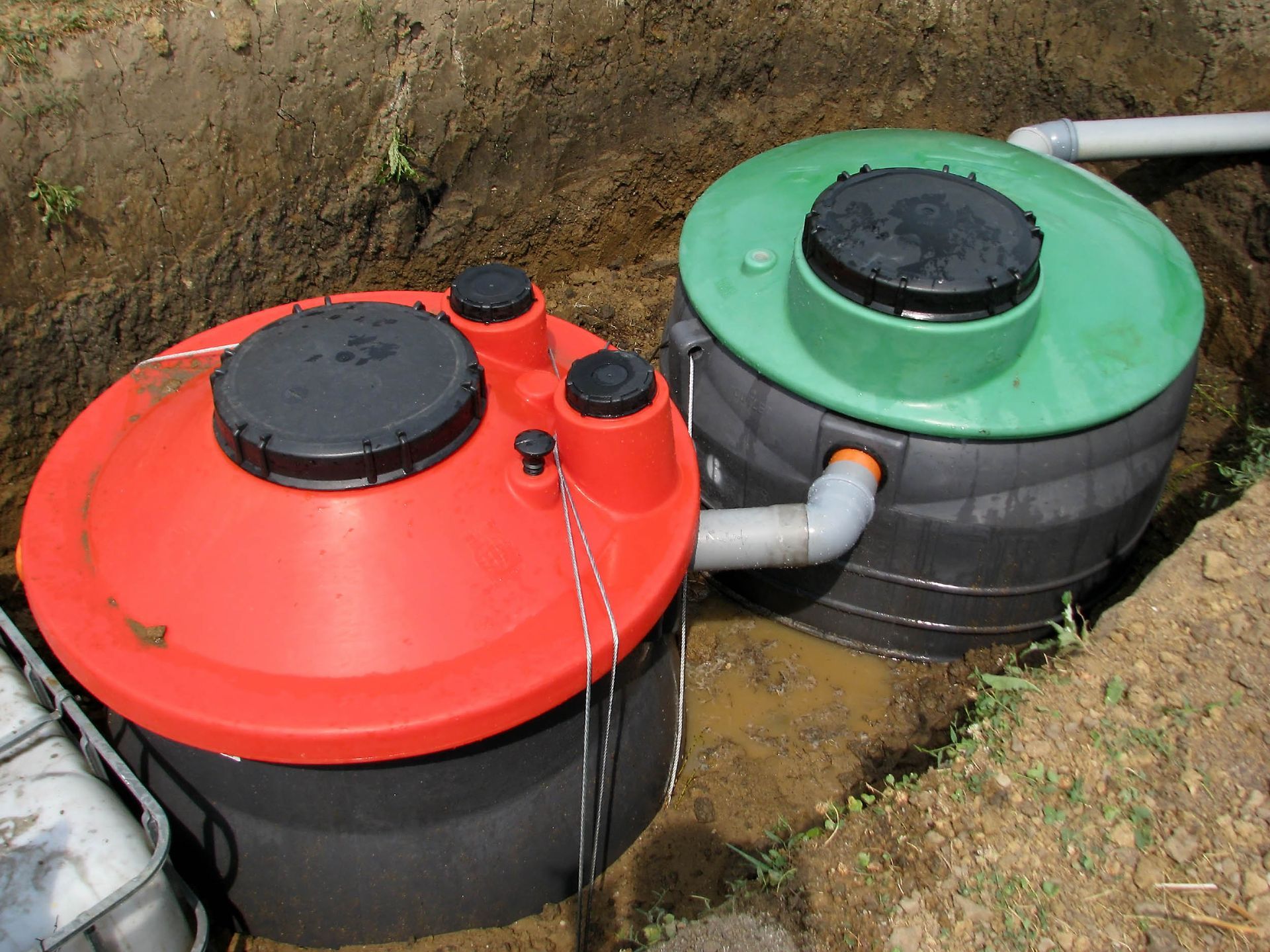
Polyethylene tanks present affordability and versatility, being highly resistant to rust and chemical attack. Their flexibility makes them ideal for challenging install locations, with ease of customization to tune to varying site constraints. While they lack the extreme durability of other materials, their cost-effectiveness and ease of installation make them a practical choice for many residential installations. Selecting the right tank material bridges budget constraints with desired performance attributes, ensuring long-term satisfaction with septic tank installation.
What Should You Expect During the Installation Process?
Pre-installation Requirements
Embarking on a septic tank installation involves meticulous planning and preparation to ensure seamless execution. Homeowners should first secure all necessary permits reflecting adherence to sanitation regulations and zoning laws. Preparing the selected site involves clearing the area, conducting soil tests, and scheduling professional surveys to address any unforeseen challenges. These preparatory steps pave the road for effective project initiation.
The location of the septic tank influences the success of its installation and operation, demanding careful consideration to comply with technical requirements. Drainage capabilities, soil porosity, and environmental factors must align with baseline parameters to permit efficient waste processing. Professional input aids in evaluating potential locations, ensuring the best choice for sustained performance and longevity. By coordinating preparatory efforts for septic tank installation, the project avoids unnecessary delays and unforeseen costs.
Additionally, the pre-installation phase requires establishing lines for excavation, access points, and safety measures. Planning for the logistics of equipment transport and assembly also forms a fundamental aspect of preparatory operations. As the foundation stage culminates, the installation team is equipped with a comprehensive blueprint to guide them through the forthcoming tasks. Effective site preparation thus lays the groundwork for a successful and efficient septic tank installation process.
Installation Day: What Happens?
The day of septic tank installation sees a flurry of activity as the groundwork translates into tangible progress. Installation begins with excavation, where technicians skillfully prepare the site to accommodate the tank within the predetermined area. The tank is positioned using precision equipment, ensuring correct alignment and level positioning for optimal function. A seamless installation mandates strict adherence to technical specifications, including piping connections and aeration systems.
As the septic tank settles into place, attention shifts to linkages and effluent lines connecting the household plumbing to the system. Ensuring watertight seals prevents sewer gases from escaping, securing the integrity of the system. As installation progresses, continuous checks occur to verify operational capacity and functional alignment. This diligent observation safeguards against potential setbacks and guarantees a fit-for-purpose system ready for use.
Septic tank installation can provide many benefits if properly implemented and maintained. By understanding the system, choosing wisely, preparing for installation, maintaining it diligently, and avoiding common pitfalls, homeowners can ensure long-term efficiency and functionality of their septic systems.
Tailored solutions that account for household needs and site-specific variables promise enduring satisfaction and reliability. The value derived from a strategic investment in septic systems extends far beyond initial installation, realized in sustainable operations and increased property value. Reach out to John Willis Cesspool today to see how we can help you!