May 5, 2026
Septic systems play an essential role in managing household wastewater, serving millions of homes in rural and suburban areas. According to the EPA, over 20% of households in the United States rely on individual septic systems or small community cluster systems for wastewater treatment. Despite their widespread use, many homeowners are unaware of the functioning and maintenance needs of septic systems, leading to failures that are not only costly but also hazardous to the environment and public health.
Understanding the intricate workings of a septic system is crucial for effective maintenance and to avert potential failures. These systems consist of a septic tank and a drain field, which work together to treat and dispose of household wastewater. However, neglecting maintenance or improper system use can result in failures that disrupt the waste treatment process and lead to severe environmental consequences. By recognizing early warnings and implementing regular maintenance schedules, you can significantly reduce the risk of system failure and maintain optimal functionality.
The cost of repairing a failed septic system often exceeds the initial installation costs, making preventative measures economical in the long run. A well-maintained septic system not only protects against expensive repairs but also enhances the longevity and efficiency of the system. As septic systems age, their susceptibility to failure increases, requiring homeowners to stay vigilant and proactive. With a comprehensive understanding of potential failure causes and preventive strategies, homeowners can work with septic tank services to ensure their septic systems operate smoothly for years to come. This article aims to explore the common causes of septic system failures and provide strategies to avoid them, helping you preserve your investment and ensure a safe living environment.
1. Inconsistent Pumping Schedules
Irregular pumping schedules are one of the most common causes of septic system failures, leading to system overloads and potential backups. When tanks are not pumped regularly, solid waste accumulates, reducing the tank's capacity to hold wastewater and causing sludge to overflow into the drain field. This can result in clogged pipes and an increase in harmful bacteria leaching into the surrounding soil and groundwater. Scheduling regular pump-outs based on the tank size and household usage can effectively prevent such occurrences and maintain system efficiency. Proactively managing waste levels through timely pumping is essential for sustaining the septic system's health and functionality.
Without regular septic tank services, minor septic system issues can escalate into major failures that are both expensive and challenging. Inspections provide a critical assessment of the system's current condition, identifying potential issues such as damaged components, leaks, or obstructions early on. Regular inspections, ideally conducted every three years, allow for timely interventions and repairs before problems worsen. Hiring a professional to conduct these inspections ensures that all aspects of the system, including the drain field and septic tank, are thoroughly evaluated for optimum performance. Preventative inspections and timely maintenance are key to extending the lifespan of a septic system.
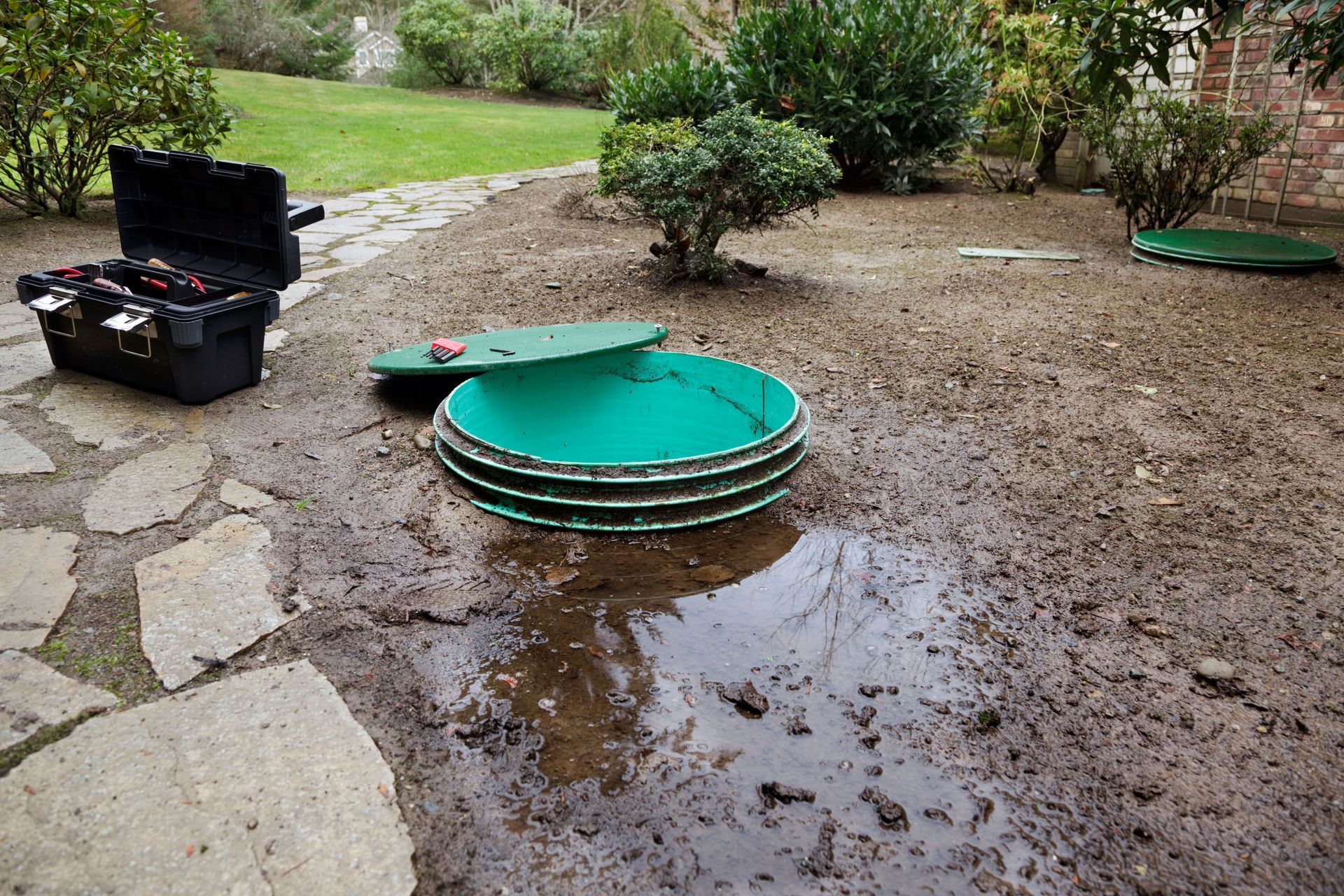
Ignoring warning signs in a septic system can lead to catastrophic failure and costly repairs. Homeowners should remain alert for any unusual signs, such as slow drainage, unpleasant odors, or wet spots near the drain field, which indicate possible system malfunction. Promptly addressing these symptoms can prevent more severe issues from developing and protect the household against health hazards and environmental contamination. Regular monitoring of the system's performance and responding swiftly to any anomalies can significantly reduce the likelihood of failure. Education on system operations and awareness of warning signs are vital components of responsible septic system management.
2. Improper Tank Placement
The success of a septic system largely depends on correct sizing, as an improperly sized system can lead to systemic problems and frequent failures. When the system is too small, it becomes overwhelmed by incoming wastewater, lacking adequate time for treating solid waste before overflow. Conversely, an excessively large system results in suboptimal conditions for bacterial activity, delaying waste decomposition and treatment. Homeowners should consult septic tank services for proper system sizing, taking into account the household size, water usage patterns, and future growth expectations. Selecting the right system size is a foundational step in ensuring reliable and effective wastewater treatment.
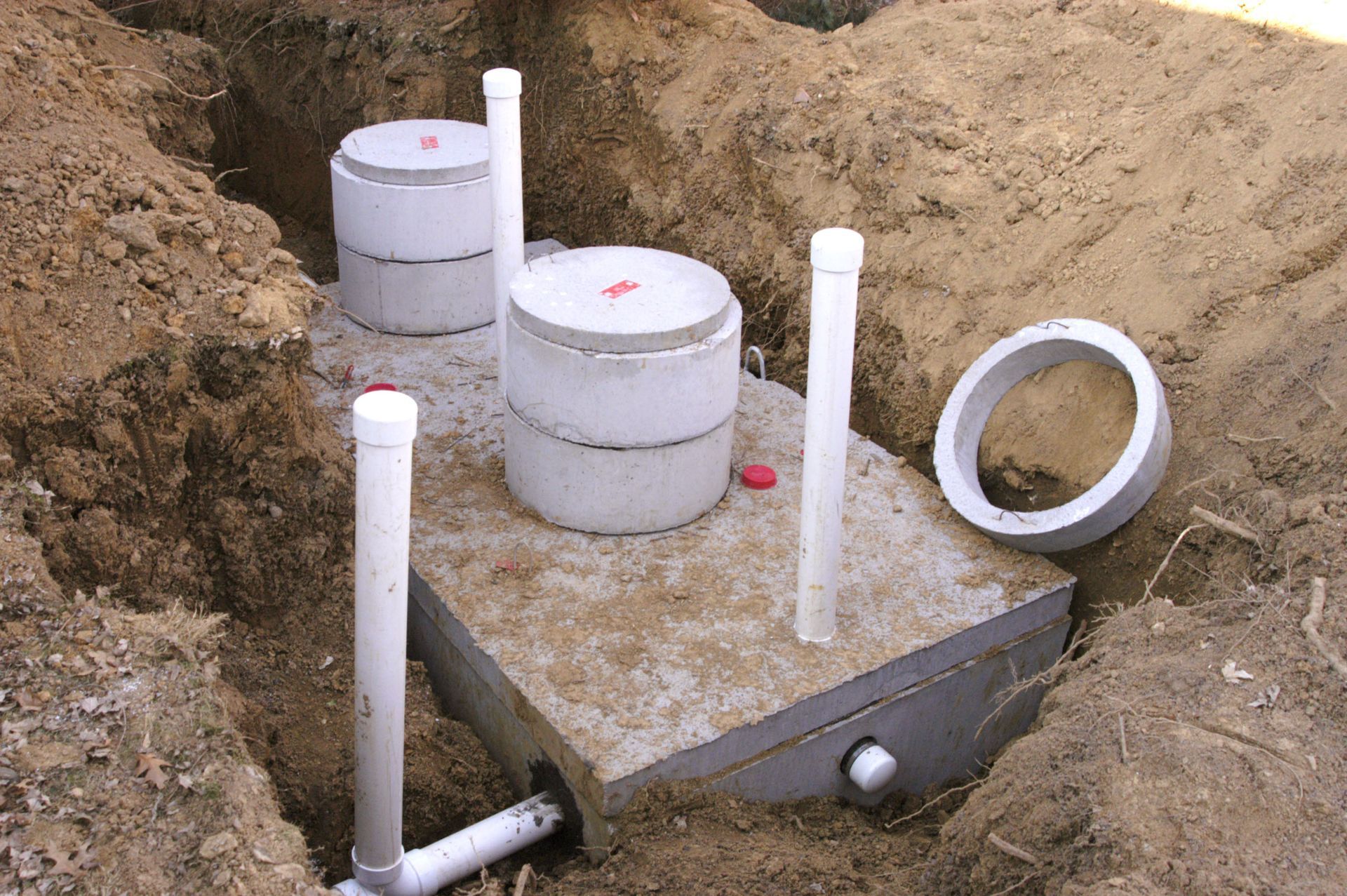
Improper tank placement during installation can significantly impact septic system performance and longevity, underscoring the need for careful planning and site evaluation. Tanks installed too close to structures, water bodies, or downhill may face increased risks of contamination, overloading, or system failure. Adequate distance and grading are essential considerations to ensure proper effluent flow and prevent environmental contamination. Professional septic tank services ensure that the tank is accurately positioned to support effective function and regulatory compliance. By selecting a strategic and suitable site, homeowners can safeguard both their septic system and the local environment.
Substandard materials and components employed during septic system installation increase the risk of failure and necessitate frequent repairs. Faulty components, such as compromised pipes or low-quality tanks, can lead to leaks or structural issues that require costly interventions. Investing in high-quality, durable materials and securing reputable contractors can considerably reduce the likelihood of mechanical failures. Regular system inspections serve as an essential follow-up measure, identifying defects and ensuring components are well-maintained and in top condition. Employing quality materials and proper craftsmanship during installation lays a solid foundation for an efficient and long-lasting septic system.
3. Aged System Components
Over time, septic system components are subjected to natural wear and tear, resulting in diminished performance and possible failures. Signs of mechanical wear often include slow drainage, gurgling sounds, or slight depressions forming around the tank or drain field. Regular maintenance and timely identification of component fatigue can prevent these issues from escalating, ensuring the system operates as expected. Homeowners should be attentive to signs and employ professionals for detailed evaluations and necessary repairs to uphold system reliability. Routine maintenance is vital to address natural wear and preserve the integrity of aging components.
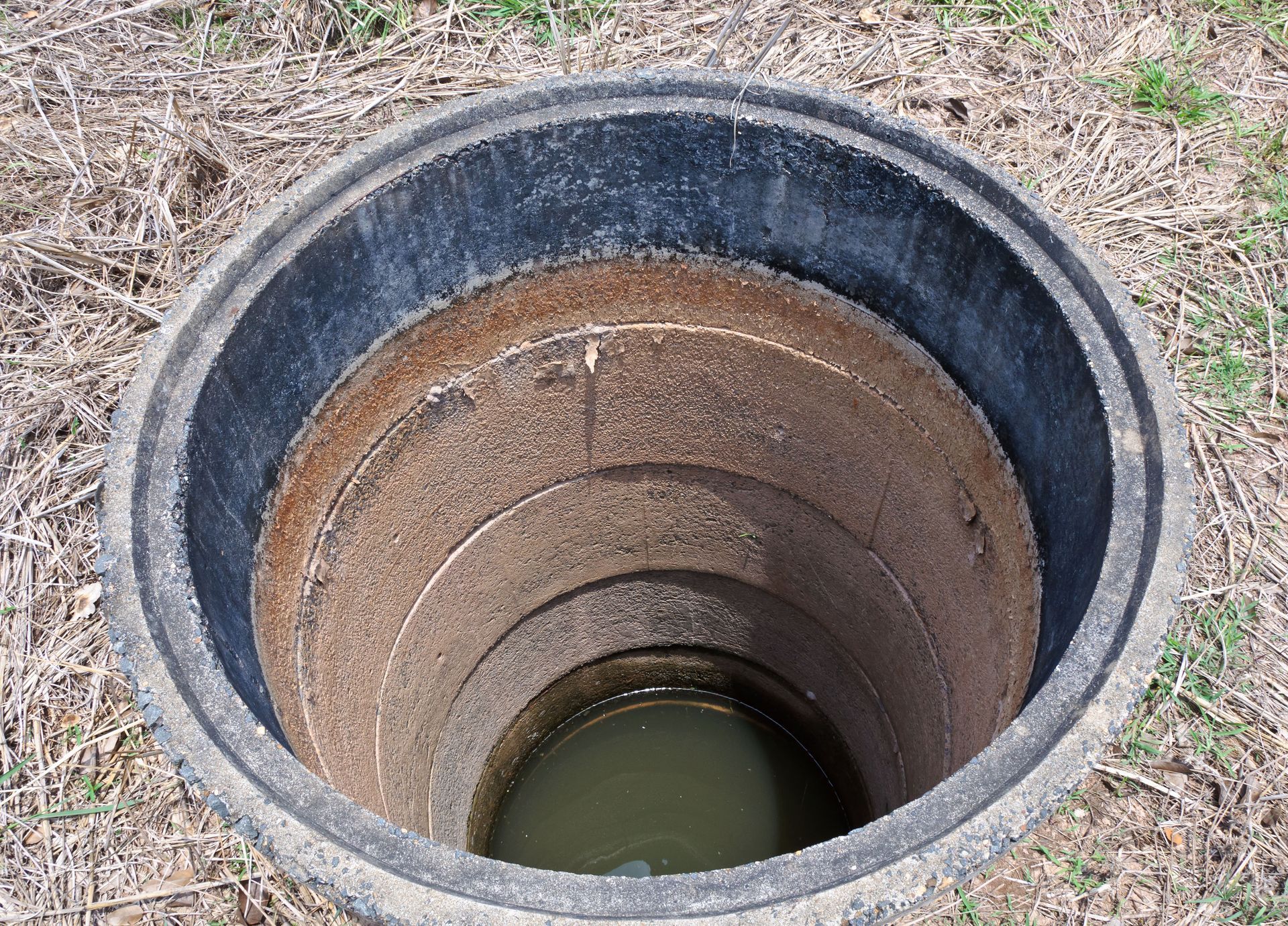
Corrosion or damage to septic tanks is another factor that can jeopardize system effectiveness, leading to leaks and potential contamination. Rusting tanks indicate structural weaknesses that can allow untreated wastewater to escape into the environment, posing health hazards and costly remediation efforts. Regular inspections and proactive septic tank services, such as applying protective coatings, can help prevent corrosion and forestall substantial failures. Tanks exhibiting deterioration or damage should be promptly repaired or replaced to maintain system efficiency and safeguard the surrounding environment. Ensuring tank integrity through proper upkeep extends the lifespan and dependability of the septic system.
As technology advances, outdated septic system components may fall short of modern performance standards, compromising efficiency and creating maintenance burdens. Upgrading to contemporary systems and technologies can significantly enhance wastewater treatment, improve reliability, and reduce operating costs. Implementing smart technology, such as tank sensors and leak detection devices, provides real-time data to assist in immediate, informed decisions. Homeowners can consult industry professionals to explore technological upgrades and consider the benefits of modern components for optimizing system operation. Investing in up-to-date technology ensures septic systems remain effective, environmentally friendly, and economically viable over time.
Proper upkeep and informed management are vital to preventing common causes of septic system failure. Homeowners must approach maintenance proactively by understanding potential risks, conducting regular septic tank services, and addressing issues promptly. Septic systems, with appropriate care, can provide reliable and efficient wastewater treatment for years, contributing to both household stability and environmental protection. Embracing responsibility, regular upkeep, and professional guidance ensures the enduring success and dependability of septic systems nationwide. To keep your septic system running in perfect condition, reach out to John Willis Cesspool for pumps, repairs, and more.