May 20, 2026
Embarking on the journey of home improvement often leads homeowners to the critical, yet frequently overlooked, world of wastewater management and underground infrastructure. Selecting the right system is a monumental decision that affects your property's value, environmental footprint, and long-term financial stability. Before you break ground, you must evaluate various technical specifications and local regulations to ensure a seamless transition. A professional septic tank installation requires more than just digging a hole; it demands a strategic approach to soil health and drainage logistics. By asking the right questions now, you prevent messy, expensive complications from surfacing later on.
1. Researching Local Zoning Laws And Permit Requirements
Navigating the legal landscape is the first hurdle any homeowner must clear before scheduling their septic tank installation. You should ask your contractor or local health department about the specific permits required for your municipality, as regulations vary significantly between counties. Some areas have strict setbacks from property lines, wells, and open water sources that could dictate where your system is allowed to sit. Understanding these constraints early prevents legal disputes or the need to relocate a system after work has already begun. Furthermore, ensure you know who is responsible for filing the paperwork to avoid administrative delays.
2. Assessing Soil Composition And Percolation Rates
The ground beneath your feet plays a starring role in how effectively your waste is treated and filtered. You must ask about the results of a "perc" test, which measures how quickly water moves through your soil. If your land consists primarily of heavy clay or solid rock, a standard gravity-fed system might not be feasible, leading to a more complex septic tank installation involving mounds or aerobic treatment units. Discussing these results with an engineer helps determine if your site can naturally handle the effluent or if you need to bring in specialized sand and gravel to facilitate drainage.
3. Calculating Daily Water Usage And Tank Capacity
Determining the appropriate size for your system is not just about the number of people currently living in your home. You should ask your designer how they calculate capacity, which is typically based on the number of bedrooms rather than the current occupants. This foresight ensures that if you sell the home or expand your family, the system won't become overwhelmed. According to Housegrail, the typical lifespan of a septic system is at least 25 years. Therefore, choosing a tank that can handle peak loads over two and a half decades is a vital component of a successful septic tank installation.
4. Comparing Different Material Options And Durability
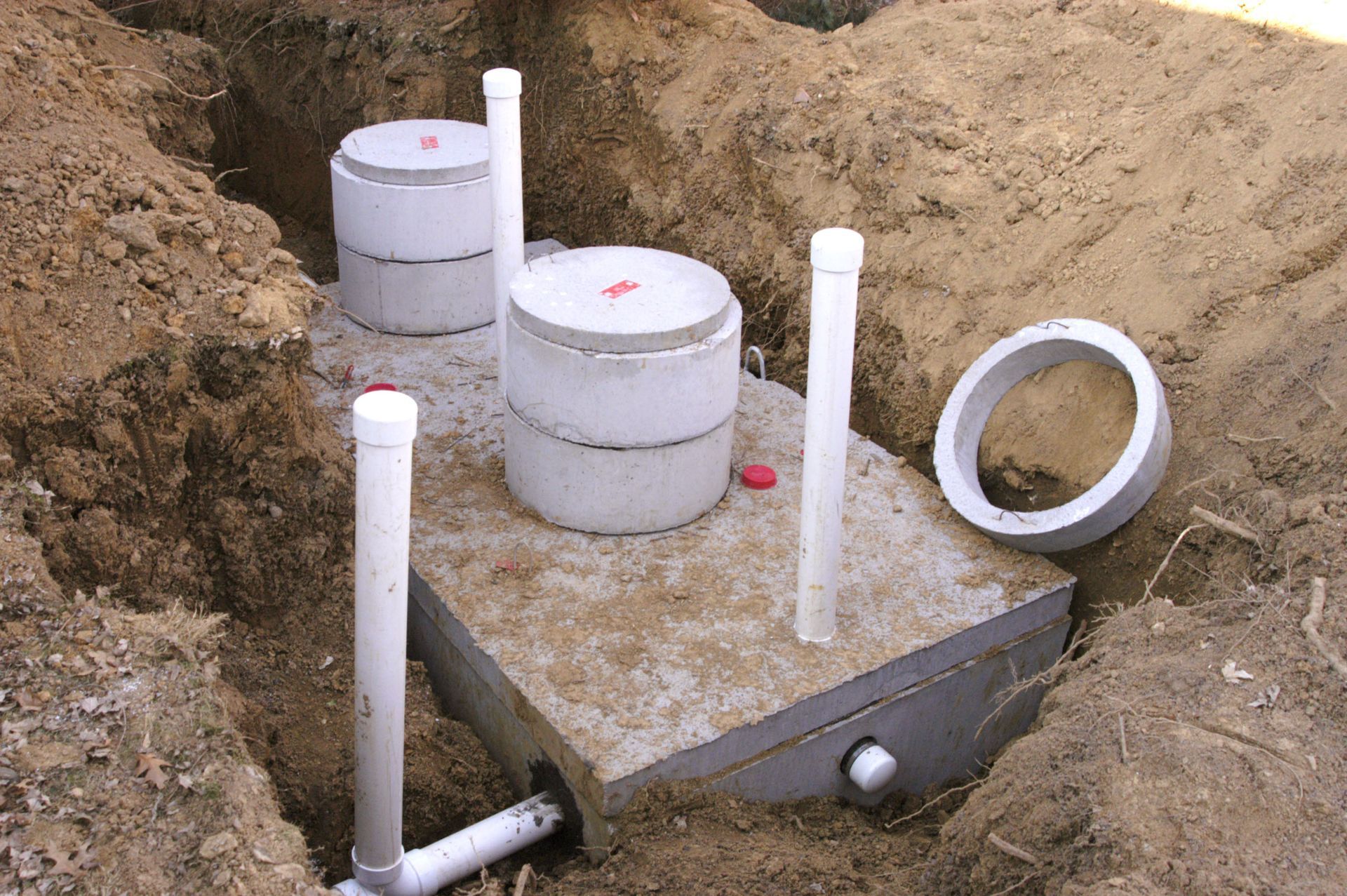
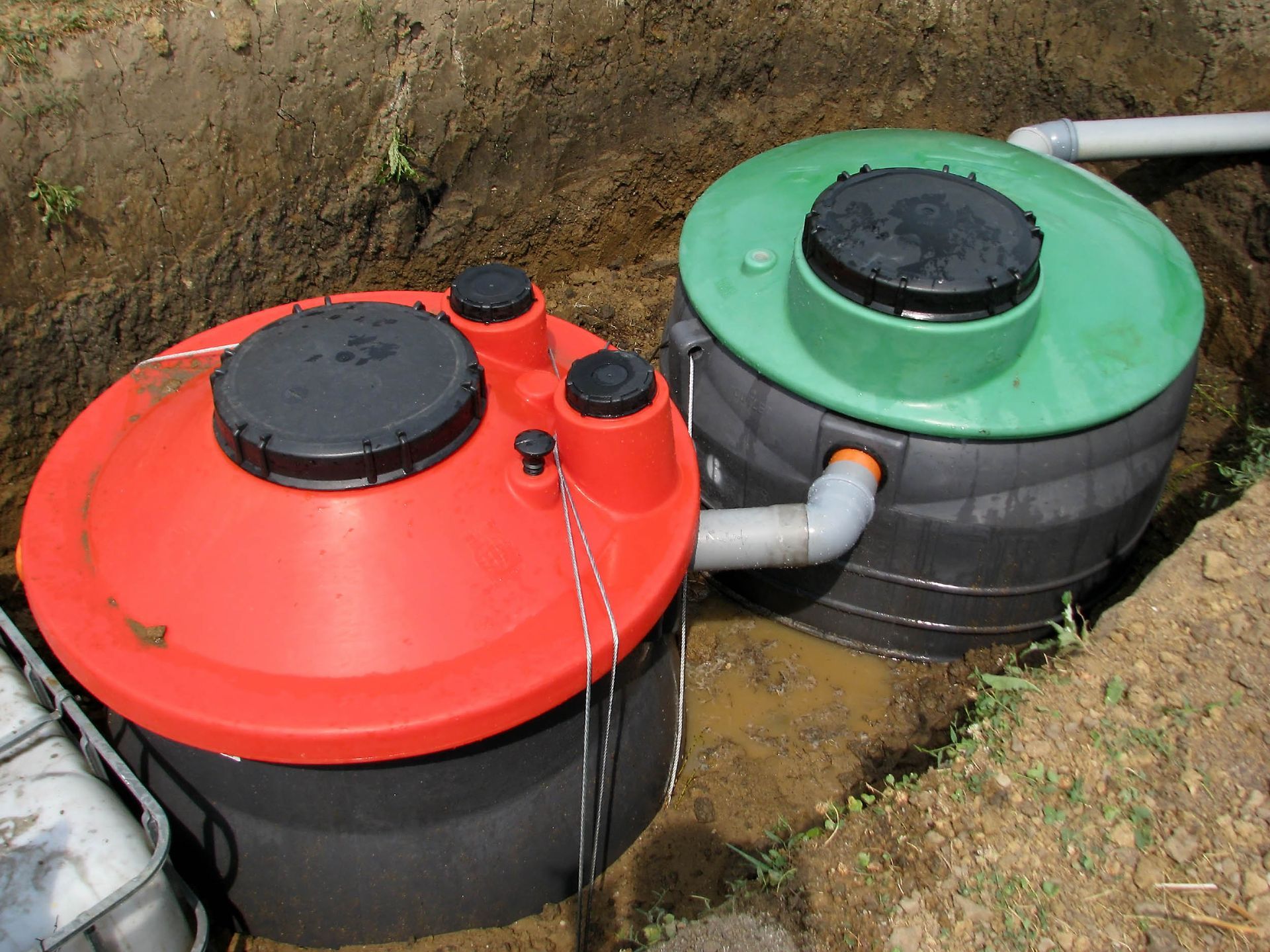
Septic tanks are commonly manufactured from concrete, fiberglass, or high-density plastic, each offering distinct advantages and potential drawbacks. You need to ask your installer which material is best suited for your specific climate and soil chemistry. Concrete is incredibly heavy and durable, but can crack under extreme shifts, while plastic is resistant to chemical corrosion but may float if the water table rises too high. Evaluating these materials helps you weigh the initial cost against the expected longevity of the unit. A well-chosen material ensures that your septic tank installation remains a permanent fixture of your home's utility grid.
5. Identifying Potential Environmental Impacts And Safety
Living in harmony with your local ecosystem requires a system that prevents groundwater contamination and protects nearby flora. Ask your contractor about the proximity of the drain field to sensitive areas like streams, ponds, or vegetable gardens. You should also inquire about safety features, such as heavy-duty risers and locking lids, which prevent accidental falls and keep children or pets away from the tank openings. Ensuring that the system is environmentally sound not only protects the neighborhood but also prevents the biological failures that lead to foul odors and surface pooling around the yard.
6. Investigating Long-Term Maintenance And Pumping Schedules
Maintenance is the key to protecting your investment, so you must ask about the specific upkeep requirements of the proposed model. Different systems have varying needs; for instance, an aerobic system with mechanical parts requires more frequent inspections than a passive anaerobic setup. You should establish a clear understanding of how often the tank will need to be pumped based on its size and your household habits. Getting a clear maintenance manual during the septic tank installation phase allows you to budget for future service calls and prevents the buildup of solids that could eventually clog your pipes.
7. Budgeting For Total Costs And Hidden Expenses
Financial transparency is essential when dealing with large-scale excavation and utility work on your property. You should ask for a detailed, itemized quote that includes labor, machinery, materials, and any post-installation landscaping required to restore your yard. Sometimes, unexpected issues like buried boulders or high water tables can drive up the price mid-project, so ask how the contractor handles such contingencies. Understanding the full scope of the financial commitment ensures that you aren't caught off guard by surcharges. A thorough quote provides peace of mind that the project will be completed within your allocated budget.
8. Evaluating Contractor Experience And Professional References
Not all plumbers are equipped to handle the complexities of underground waste systems, so vetting your professional is paramount. Ask the company how many years they have been specializing in this specific field, and if they carry the necessary insurance and bonding. It is also helpful to request references from previous clients who had similar soil conditions or lot sizes. A reputable contractor will be happy to share their success stories and provide proof of their licensing. Choosing an experienced team reduces the risk of structural errors that could compromise the integrity of the entire system.
9. Determining The Impact On Future Property Landscaping
The footprint of a septic system extends far beyond the tank itself, often claiming a large portion of your backyard for the leach field. You must ask how the placement of the system will affect your ability to build decks, plant trees, or install a swimming pool in the future. Because you cannot drive heavy vehicles or place permanent structures over the drain field, planning your landscape around the system is vital. Your installer can provide a map of the underground components, helping you visualize where you can safely garden and where you must keep the ground clear.
10. Analyzing Technological Additions And Monitoring Systems
Modern technology has introduced smart sensors and alarms that can alert homeowners to high water levels or mechanical failures before they become disasters. You should ask if your system can be equipped with these monitoring tools to provide an extra layer of security. Some high-end units even offer remote monitoring through smartphone apps, allowing you to keep tabs on the system's health while you are away. While these features add to the initial cost, they provide invaluable warnings that can save you thousands of dollars in emergency repairs by catching small issues before they escalate.
11. Verifying Warranty Coverage And Post-Install Support
Once the dirt is filled back in and the grass begins to grow, you want to know that your investment is still protected. Ask about the manufacturer’s warranty on the tank itself and the labor warranty provided by the installation crew. It is important to know what specific types of failures are covered and for how many years the coverage lasts. Additionally, ask if the company offers an ongoing service contract to handle routine inspections. Having a guaranteed point of contact for future issues ensures that you won't be left scrambling if a problem arises down the road.
Planning for a new wastewater system is a complex task that requires a balance of technical knowledge and practical foresight. By addressing these questions early, you empower yourself to make decisions that protect your property, your family, and your local environment. A successful project hinges on clear communication with professionals and a deep understanding of your land's unique characteristics. Taking the time to investigate these factors ensures that your home remains a safe and functional sanctuary for decades to come. With the right preparation, your new system will operate silently and efficiently beneath the surface, providing you with total peace of mind. Are you looking for a reliable team to assist with septic tank installation around Suffolk and Nassau Counties in New York? Look no further than John Willis Cesspool! Call today to request an estimate on your next septic system project.